 Save to Pinterest
 My neighbor Layla knocked on my door one Saturday afternoon holding a round wooden board and a cloth bag full of vegetables. She said she was teaching me to stop serving chips and dip at parties. We cleared my kitchen counter, and she moved quickly, arranging little piles of color and flavor without measuring a thing. By the time her husband arrived to pick her up, I had learned that a mezze platter isn't a recipe—it's a mood, a welcome, a reason to linger.
I made this platter for a book club meeting once, and we ended up talking more about the food than the novel. Someone asked if I'd flown the hummus in from Beirut. Another person ate all the olives and apologized later by text. It was chaotic and loud and exactly what a gathering should feel like. The book was forgettable, but that platter became my signature move.
Ingredients
- Chickpeas: Use canned for convenience, but rinse them well to remove that metallic taste, and if you have five extra minutes, peel a handful for silkier hummus.
- Tahini: Stir the jar before scooping because the oil separates, and a dry spoonful will make your hummus taste like bitter paste instead of creamy gold.
- Lemon juice: Fresh is non-negotiable here since it brightens everything and bottled juice tastes flat and sad next to vegetables this vibrant.
- Olive oil: Use something you would dip bread into on its own because it sits right on top and you will taste every note of it.
- Garlic: One small clove is plenty unless you want to clear the room, which I did once by accident and learned my lesson.
- Cumin: This warm spice makes hummus taste like it came from a family recipe instead of a blender.
- Cherry tomatoes: Halve them so they don't roll off the platter and their juices mingle with the olive oil.
- Cucumber: English cucumbers have fewer seeds and more crunch, which makes them ideal for scooping and snacking.
- Bell pepper: Red is sweetest, but orange or yellow work too if red isn't available or looks tired at the store.
- Carrot sticks: Cut them thin enough to snap easily but thick enough to hold up under a generous swipe of hummus.
- Mixed olives: A mix of green and Kalamata gives you both buttery and briny, and pitting them is a kindness your guests will remember.
- Feta cheese: Buy a block and cube it yourself because pre-crumbled feta is drier and doesn't have that creamy, tangy bite.
- Pita bread: Warm it for a few seconds in a dry skillet or wrap it in foil and heat in the oven so it's soft and pullable.
- Parsley: Flat-leaf has more flavor than curly and looks less like a garnish and more like it belongs there.
- Sumac: This lemony, slightly floral spice is optional but it makes everything look and taste more authentic.
Tired of Takeout? 🥡
Get 10 meals you can make faster than delivery arrives. Seriously.
One email. No spam. Unsubscribe anytime.
Instructions
- Blend the hummus:
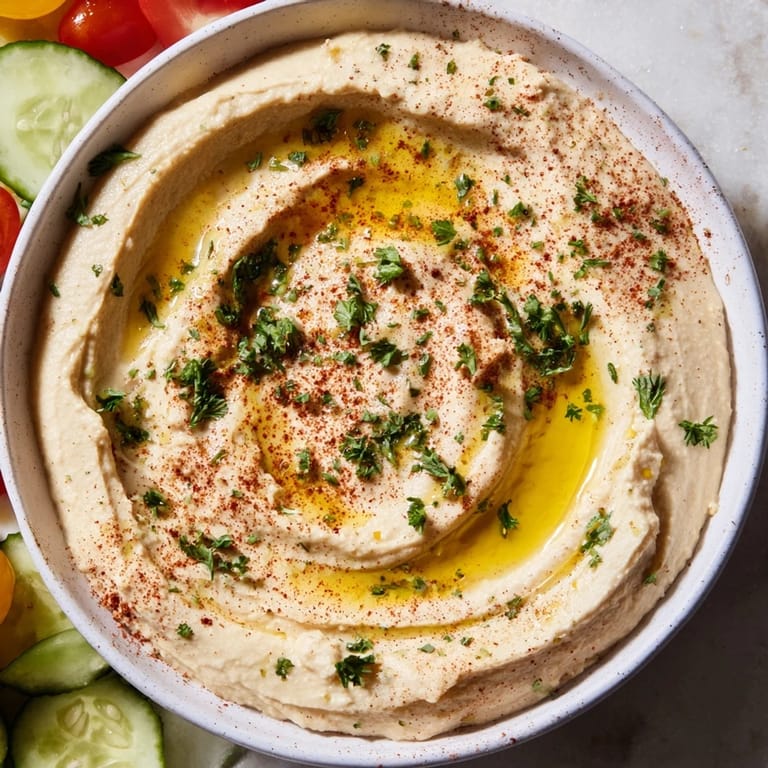
- Toss the chickpeas, tahini, lemon juice, olive oil, garlic, cumin, and salt into the food processor and let it run until the mixture looks like rough sand. Drizzle in cold water a little at a time while blending until it turns glossy and cloud-like.
- Dress the hummus:
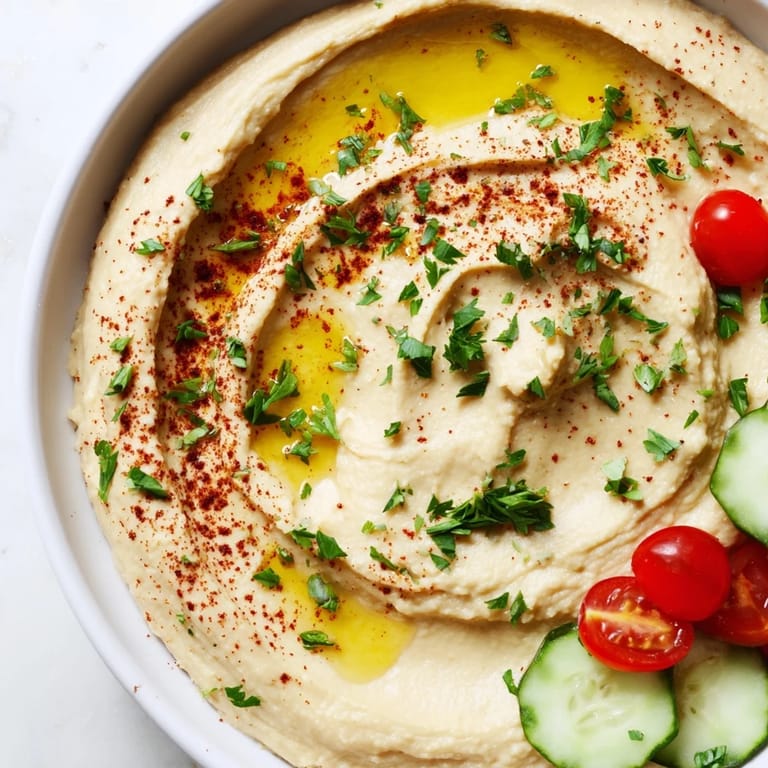
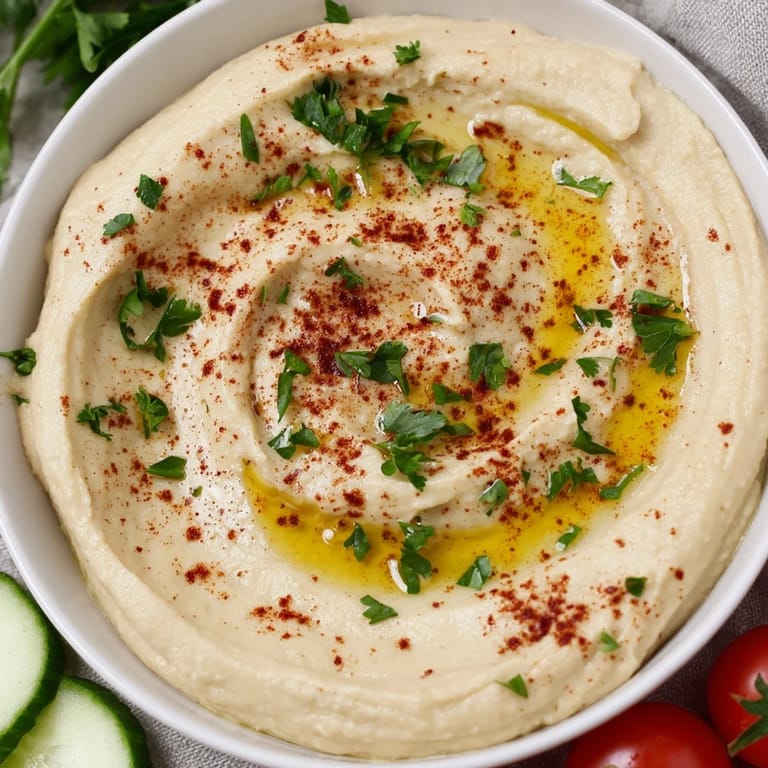
- Spoon it into a shallow bowl or spread it directly on your serving platter like you're frosting a cake. Drizzle olive oil over the top and dust with sumac or paprika so it looks as good as it tastes.
- Arrange the vegetables and cheese:
- Place the tomatoes, cucumber, bell pepper, and carrot sticks around the hummus in little clusters, alternating colors for contrast. Tuck the olives and feta cubes into any gaps so every inch of the platter feels full and generous.
- Add the pita:
- Warm the pita if you like it soft, then cut into triangles and fan them around the edge or pile them in a basket nearby. Either way, make sure there's enough because people always eat more bread than you expect.
- Garnish and serve:
- Scatter chopped parsley over everything and add a few lemon wedges for squeezing. Set it in the middle of the table and step back because it won't last long.
 Save to Pinterest
 One evening I set this platter out for a small dinner party, and my friend's six-year-old daughter ate nothing but carrot sticks dipped in hummus for twenty minutes. She announced that hummus was now her favorite food and asked if I could make it again for her birthday. Her mother looked at me like I'd performed a miracle. I didn't have the heart to tell her it took less time than boiling pasta.
Making It Your Own
Layla used to add roasted red peppers to her hummus, which turned it coral pink and gave it a faint sweetness that made people guess at the secret ingredient. You can stir in a spoonful of harissa for heat or throw in roasted garlic if you want it mellow and deep. Some people swirl in beet puree or top it with spiced ground lamb, and suddenly it's not just a snack anymore—it's the whole meal.
What to Serve Alongside
If you're feeding a crowd, add a bowl of tabbouleh, a plate of stuffed grape leaves, or a handful of warm falafel to the spread. I once included a small dish of baba ganoush, and people kept going back and forth between the two dips like they couldn't decide which they loved more. A pitcher of mint tea or a bottle of chilled white wine fits right in, and no one will ask for anything else.
Storing and Planning Ahead
The hummus keeps in the fridge for up to four days in an airtight container, and it actually tastes better the next day once the garlic mellows and the flavors settle. You can prep all the vegetables the morning of your gathering and keep them covered with a damp towel so they stay crisp. The platter itself should be assembled right before serving because nothing looks sadder than a pile of vegetables that have been sitting out too long and started to weep.
- Bring everything to room temperature before serving so the flavors open up and the feta softens slightly.
- If you have leftovers, wrap them in a tortilla with some greens for an instant lunch the next day.
- Double the hummus recipe because it disappears faster than you think and someone always asks to take some home.
 Save to Pinterest
 This platter has saved me more times than I can count—last minute guests, potluck panic, nights when I didn't want to cook but still wanted to feel like I tried. It's generous without being fussy, and it always makes people stay a little longer than they planned.
Recipe FAQs
- → Can I make the hummus ahead of time?
Yes, hummus can be prepared up to 3 days in advance. Store it in an airtight container in the refrigerator. Bring it to room temperature and add a fresh drizzle of olive oil before serving for best flavor and texture.
- → What are the best substitutes for feta cheese?
Labneh, goat cheese, or halloumi are excellent alternatives to feta. Each brings its own creamy or slightly salty character. Choose based on your preference for tang and texture on your mezze board.
- → How should I warm the pita bread?
Wrap pita in foil and warm in a 350°F oven for 5-7 minutes, or place directly over a gas flame for a few seconds per side. Alternatively, use a dry skillet over medium heat for 30 seconds on each side for a light char.
- → Can I prepare vegetables in advance?
Cut vegetables 2-3 hours ahead and store them in airtight containers in the refrigerator. Keep them separate until assembly to maintain freshness and prevent them from becoming watery or wilted.
- → What makes an authentic mezze platter?
Authenticity comes from balancing creamy dips like hummus with briny elements such as olives, fresh and tangy components like lemon and feta, and whole grains like pita bread. Include seasonal vegetables and quality olive oil for traditional appeal.
- → How many people does this platter serve?
This platter comfortably serves 6 as an appetizer or snack course. For a main course or larger gathering, double the quantities or add additional mezze items like falafel, tabbouleh, or stuffed grape leaves.