 Save to Pinterest
 I was rummaging through the fridge one late afternoon, hungry but uninspired, when I spotted a few tomatoes going soft and a wilting bunch of basil. Instead of tossing them, I grabbed the flour bin and decided to see what would happen. Twenty minutes later, I pulled a golden, bubbling flatbread out of the oven, and the smell alone made me forget I'd been too lazy to go shopping. That spontaneous experiment became my go-to whenever I need something satisfying without the fuss.
The first time I made this for friends, I served it straight off the baking sheet, still crackling hot, and we tore into it with our hands while standing around the kitchen counter. No one bothered with plates. The basil was so fragrant it filled the whole room, and someone said it tasted like summer even though it was October. I've made fancier things since, but that messy, impromptu moment is still one of my favorite food memories.
Ingredients
- All-purpose flour: The backbone of the dough. I've tried bread flour, but all-purpose gives a lighter, crisper result that doesn't feel too heavy.
- Instant yeast: No need to proof it separately, just mix it straight in. If it's been sitting in your pantry a while, check the date, or you'll wonder why your dough didn't puff.
- Sugar: Just a pinch to wake up the yeast. You won't taste it, but it helps the dough rise a little faster.
- Salt: Don't skip this. It balances the sweetness and makes the crust taste like something instead of cardboard.
- Warm water: Aim for bathwater warm, not hot. Too hot kills the yeast, too cold slows everything down.
- Olive oil: Use the good stuff if you can. It flavors the dough and keeps the crust from drying out.
- Ripe tomatoes: The juicier, the better. I slice them thin so they don't make the dough soggy, and I salt them lightly to draw out some moisture before topping.
- Fresh basil leaves: Tear them by hand right before serving. Cutting bruises them and turns the edges brown.
- Flaky sea salt: The finishing touch. It adds little bursts of saltiness that make each bite more interesting.
- Freshly ground black pepper: A few grinds right before baking wakes up the tomatoes and adds a subtle warmth.
Tired of Takeout? 🥡
Get 10 meals you can make faster than delivery arrives. Seriously.
One email. No spam. Unsubscribe anytime.
Instructions
- Mix the dough:
- Combine the flour, yeast, sugar, and salt in a large bowl, then pour in the warm water and olive oil. Stir with a wooden spoon until it clumps together and pulls away from the sides.
- Knead until smooth:
- Turn the dough out onto a floured counter and knead for about 5 minutes, folding and pressing until it feels soft and springy. Cover it with a towel and let it rest while you prep the toppings.
- Preheat and prep:
- Crank your oven to 220°C and line a baking sheet with parchment. This keeps the bottom from sticking and makes cleanup a breeze.
- Roll it out:
- Press and roll the dough into a rough oval or rectangle, about the thickness of a pencil. Don't worry about perfect edges, rustic looks better anyway.
- Top with tomatoes:
- Brush the dough with olive oil, then lay the tomato slices across the surface, leaving a little space between them. Sprinkle with salt and pepper.
- Bake until golden:
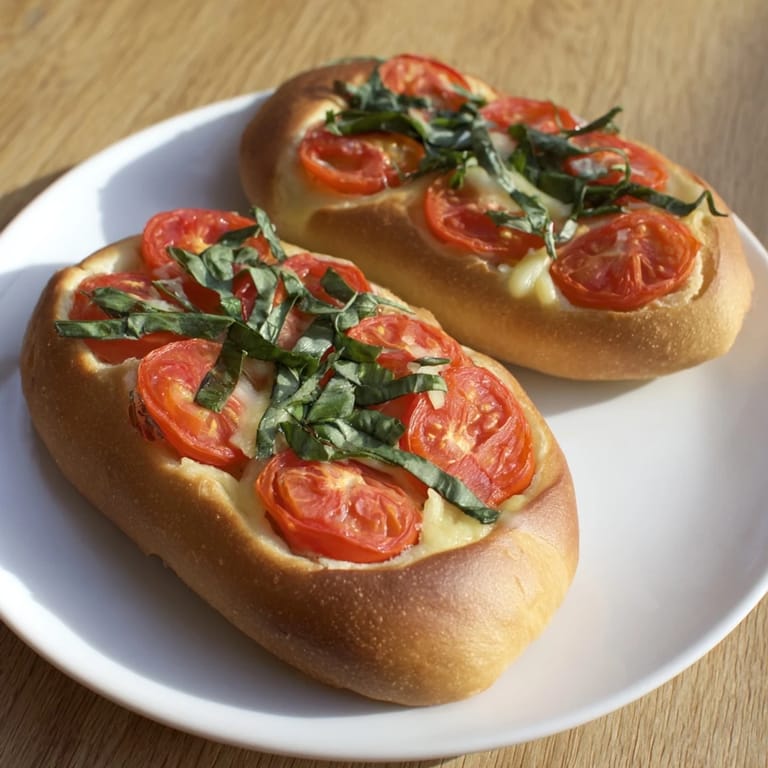
- Slide the pan into the oven and bake for 18 to 20 minutes, watching for the edges to turn deep gold and the tomatoes to wrinkle slightly. The smell will tell you when it's ready.
- Finish with basil:
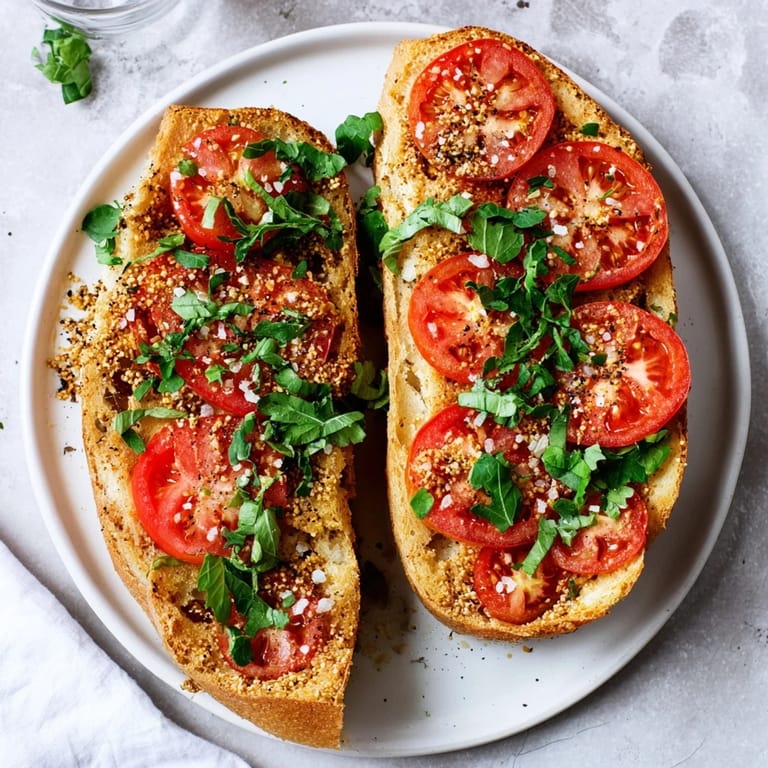
- Pull it out, scatter the torn basil over the top, and drizzle with a bit more olive oil. Slice it into wedges or strips and serve it while it's still warm and crackling.
 Save to Pinterest
 One evening, I made this for my neighbor who'd just moved in and didn't have her kitchen set up yet. She ate three slices standing in my doorway and said it reminded her of something her grandmother used to make in a wood-fired oven back in Sicily. I didn't tell her I'd learned it from trial and error on a random Tuesday. Sometimes the best compliments come from the simplest things done well.
How to Store and Reheat
I usually eat this fresh, but if you have leftovers, wrap them in foil and keep them in the fridge for up to two days. Reheat slices in a toaster oven or a hot skillet to bring back the crispness. The microwave will make it sad and chewy, so skip that unless you're desperate.
Simple Variations to Try
Once you've got the base down, you can riff on it endlessly. I've added crumbled feta, torn mozzarella, caramelized onions, even thinly sliced zucchini. A drizzle of balsamic glaze or a sprinkle of chili flakes can shift the flavor in exciting directions. The dough is the constant, the toppings are your mood.
What to Serve It With
This flatbread works beautifully alongside a simple green salad dressed with lemon and olive oil, or a bowl of soup when the weather turns cool. I've also served it as an appetizer before pasta, cut into small squares and passed around with wine. It's one of those rare dishes that feels right no matter the occasion.
- Pair it with a light white wine or sparkling water with lemon.
- Serve it with hummus or whipped feta on the side for dipping.
- Let it cool slightly before slicing so the toppings don't slide off.
 Save to Pinterest
 This flatbread has saved me from hunger and boredom more times than I can count. I hope it does the same for you.
Recipe FAQs
- → What type of flour works best for the dough?
All-purpose flour is recommended for a tender yet crisp flatbread crust.
- → How long should the dough rest before baking?
Allow the dough to rest for about 10 minutes after kneading to enhance texture and elasticity.
- → Can I use fresh or dried basil?
Fresh basil is preferred for its vibrant flavor and aroma, which complements the tomatoes perfectly.
- → What temperature is best for baking?
Baking at 220°C (430°F) ensures a golden, crispy crust within 18-20 minutes.
- → Are there suggested toppings to enhance the flavor?
Adding fresh mozzarella, feta, chili flakes, or a drizzle of balsamic glaze can elevate the flavor profile.
- → How should leftovers be stored and reheated?
Store leftovers in an airtight container and reheat gently in a toaster oven to maintain crispness.