 Save to Pinterest
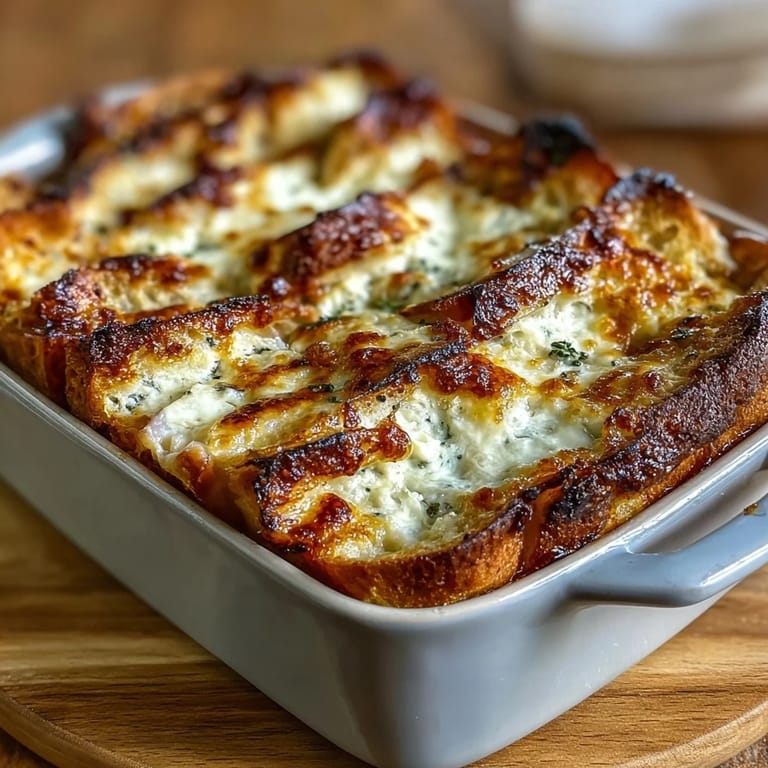
 My neighbor brought this to a weekend potluck, and I watched six adults argue over the last square. The top was blistered golden, the inside impossibly custardy, and the smell of toasted Gruyère filled the entire porch. She called it lazy man's croque monsieur, but there was nothing lazy about the way everyone scraped their plates clean. I asked for the recipe that night, and it's been my go-to ever since.
I made this for a Sunday brunch when my in-laws visited, and my mother-in-law, who once told me casseroles were beneath her, asked if I had written the recipe down. She took a photo of it with her phone. My husband still brings that up whenever I doubt my cooking. It's become our celebration breakfast, the thing I make when someone needs comfort or when we just want to feel a little fancy without trying too hard.
Ingredients
- White sandwich bread: Removing the crusts isn't fussy, it helps the bread soak up the custard evenly and keeps the texture soft all the way through instead of chewy at the edges.
- Unsalted butter: Buttering each slice before layering adds richness and helps the top turn golden and crisp while the inside stays creamy.
- Gruyère cheese: This is the soul of the dish, nutty and melty, though Swiss works in a pinch if Gruyère feels too spendy.
- Whole milk and heavy cream: The combination creates a custard that's rich but not so heavy it weighs you down, and it keeps the casserole moist as it bakes.
- Eggs: They bind everything together and give the casserole that custardy, almost quiche-like center.
- Cooked ham: Use deli ham or leftover holiday ham, just make sure it's thinly sliced so it doesn't clump.
- Béchamel ingredients: Butter, flour, milk, nutmeg, salt, and pepper come together into a silky sauce that coats the top and seeps into every layer.
Tired of Takeout? 🥡
Get 10 meals you can make faster than delivery arrives. Seriously.
One email. No spam. Unsubscribe anytime.
Instructions
- Prep the oven and dish:
- Preheat to 375°F and butter your baking dish generously so nothing sticks. A little extra butter never hurt anyone here.
- Make the béchamel:
- Melt butter, whisk in flour, cook for a minute, then slowly add milk while whisking until it thickens into a smooth, velvety sauce. Season it well with nutmeg, salt, and pepper, then set it aside.
- Butter and layer the bread:
- Butter one side of each slice, then lay half the slices buttered side down in the dish. This creates a rich base that crisps up beautifully.
- Add ham and cheese:
- Layer half the ham and half the Gruyère over the bread, then repeat with the remaining bread, ham, and cheese. Press gently as you go so everything nestles together.
- Pour the custard:
- Whisk eggs, milk, cream, and a pinch of salt, then pour it evenly over the casserole, pressing the bread down so it soaks in. Let it sit for a minute if you have time.
- Top with béchamel:
- Pour the béchamel over everything and spread it gently with a spoon so it covers the top evenly.
- Bake and rest:
- Bake uncovered for 35 to 40 minutes until the top is puffed, golden, and bubbling at the edges. Let it rest for 10 minutes before cutting so it holds together instead of falling apart on the plate.
 Save to Pinterest
 The first time I served this, my youngest asked why we never had regular sandwiches anymore. I told him this was a regular sandwich, just smarter. He didn't argue, he just asked for seconds. Now it's the dish my kids request when friends sleep over, and I love that something so simple makes them feel like we're hosting something special.
Making It Your Own
Swap the ham for turkey or skip it entirely and add sautéed mushrooms or wilted spinach for a vegetarian version that's just as hearty. A thin layer of Dijon mustard spread between the bread layers adds a sharp, tangy bite that cuts through the richness. I've also used leftover croissants instead of sandwich bread when I had them sitting around, and it turned out even more decadent, almost too rich, but in the best way.
What to Serve Alongside
A crisp green salad with a bright vinaigrette balances the richness perfectly, and a glass of chilled Chardonnay makes it feel like a proper French brunch. I've also served it with roasted asparagus or a simple arugula salad with lemon and olive oil. If you're feeding a crowd, set out a bowl of mixed berries and some crusty bread with butter, and you've got a full spread without breaking a sweat.
Storage and Reheating
Leftovers keep in the fridge for up to three days, covered tightly. Reheat individual portions in the microwave for about a minute, or warm the whole dish in a 325°F oven for 15 minutes until heated through. The texture softens a bit as it sits, but the flavor deepens, and honestly, I think it tastes even better the next day when all the flavors have melded together.
- You can assemble the casserole the night before, cover it, and refrigerate it overnight, then bake it fresh in the morning.
- Freeze unbaked casserole tightly wrapped for up to a month, then thaw in the fridge and bake as directed.
- If the top browns too quickly, tent it loosely with foil for the last ten minutes of baking.
 Save to Pinterest
 This casserole has become the thing I make when I want to feel like I've really cooked without spending all day in the kitchen. It's comfort and elegance in one dish, and it never fails to make people happy.
Recipe FAQs
- → Can I prepare this casserole ahead of time?
Yes, assemble the casserole up to 24 hours in advance, cover tightly, and refrigerate. Add the béchamel just before baking and extend cooking time by 5-10 minutes if baking straight from the fridge.
- → What cheese works best as a substitute for Gruyère?
Swiss cheese is the closest match in flavor and melting quality. Emmental, Comté, or a sharp white cheddar also work well for this casserole.
- → How do I make this vegetarian?
Simply omit the ham and add sautéed mushrooms, caramelized onions, or wilted spinach between the bread layers for a flavorful meatless version.
- → Can I use different types of bread?
Yes, brioche or sourdough adds richness and texture. Just ensure the slices are sturdy enough to hold the custard and layers without falling apart.
- → How do I know when the casserole is fully cooked?
The top should be golden brown and puffed, with edges bubbling. A knife inserted in the center should come out mostly clean, and the internal temperature should reach 160°F.
- → What should I serve alongside this dish?
A crisp green salad with vinaigrette balances the richness perfectly. Roasted asparagus, fresh fruit, or a light soup also complement the casserole beautifully.