 Save to Pinterest
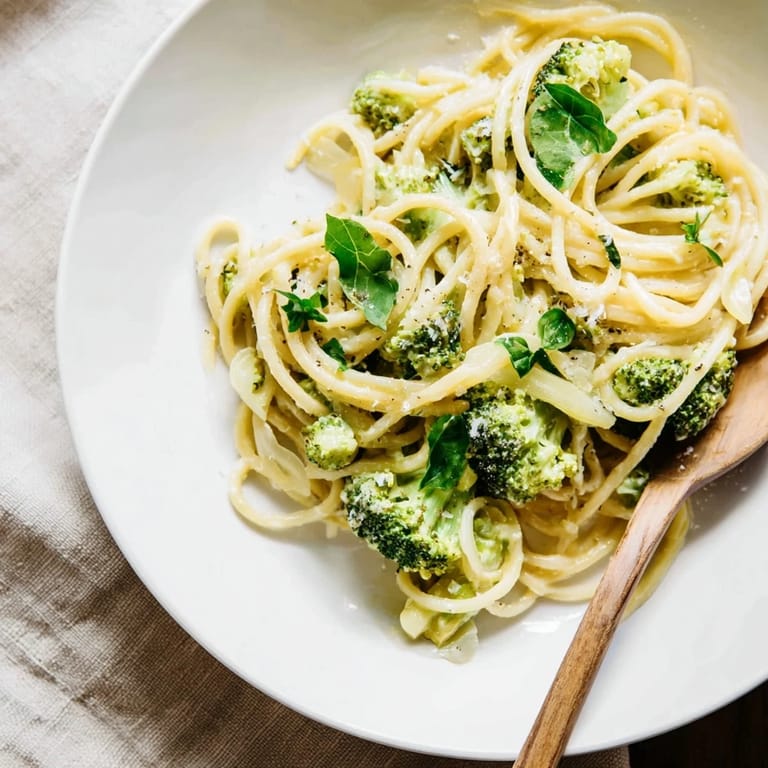
 The first time I made this one-pot pasta, I was skeptical about cooking everything together. Watching the broccoli soften right alongside the spaghetti while the liquid transformed into a creamy sauce felt like kitchen magic. My roommate wandered in, drawn by the lemon and garlic scent, and stood over the stove until we were both eating straight from the pot. Sometimes the simplest methods surprise us the most.
I served this at a small dinner party last spring when friends were feeling overwhelmed with life. We sat around the table longer than usual, forks clinking against bowls, talking about everything and nothing until the pasta was gone and the wine bottle was empty. Food that brings people together is the best kind.
Ingredients
- Spaghetti or linguine (12 oz): Long strands catch the silky sauce beautifully, though other shapes work in a pinch
- Broccoli florets (4 cups): Cut them small so they cook through in the same time as pasta
- Garlic cloves (4): Thinly sliced garlic melts into the oil, infusing every bite
- Small onion (1, optional): Adds sweetness that balances the tangy lemon
- Vegetable broth (4 cups): The liquid that becomes your sauce, so use one you really like drinking
- Whole milk or plant milk (1/2 cup): Creates that creamy texture without heavy cream
- Lemon (1 large): Both zest and juice bring the bright, fresh flavor this dish needs
- Parmesan cheese (1/4 cup): Grate it fresh for better melting and deeper umami
- Olive oil (2 tbsp): The foundation that carries all the garlic and lemon flavors
- Salt, pepper, red pepper flakes: Season as you go, tasting along the way
- Fresh basil or parsley: A handful of herbs makes the final dish feel special
Tired of Takeout? 🥡
Get 10 meals you can make faster than delivery arrives. Seriously.
One email. No spam. Unsubscribe anytime.
Instructions
- Build the flavor base:
- Heat olive oil in a large pot over medium heat, add sliced garlic and onion if using, cooking until fragrant and translucent, about 1 to 2 minutes. Watch carefully so the garlic does not brown.
- Combine everything:
- Add pasta, broccoli, broth, and milk to the pot, stirring to ensure the pasta is submerged. The liquid should just barely cover the ingredients.
- Simmer to perfection:
- Bring to a boil, then reduce heat and simmer uncovered for 10 to 12 minutes, stirring often to prevent sticking. The liquid will reduce and thicken as the pasta cooks.
- Add the brightness:
- Stir in lemon zest, lemon juice, Parmesan, salt, pepper, and red pepper flakes. Taste and adjust seasoning until it sings.
- Let it rest:
- Remove from heat and let stand for 2 to 3 minutes, allowing the sauce to thicken slightly and cling to the pasta.
- Finish and serve:
- Scoop into bowls, topping with extra Parmesan and fresh herbs. Serve immediately while the cheese is still melty.
 Save to Pinterest
 This recipe has become my go-to when I want something comforting but not heavy. There is something deeply satisfying about a meal that comes together in one vessel while filling the whole kitchen with promise.
Making It Your Own
Swap broccoli for asparagus in early spring or zucchini in summer when the farmers market is overflowing. Sometimes I add a handful of peas for pops of sweetness, especially when making this for kids who might otherwise turn up their noses at greens.
Timing Is Everything
The pasta and vegetables finish at the same time because they cook together, but stovetops vary wildly. Start checking at the 8 minute mark, tasting both pasta and broccoli to catch them at that perfect moment between too firm and too soft.
Serving Suggestions
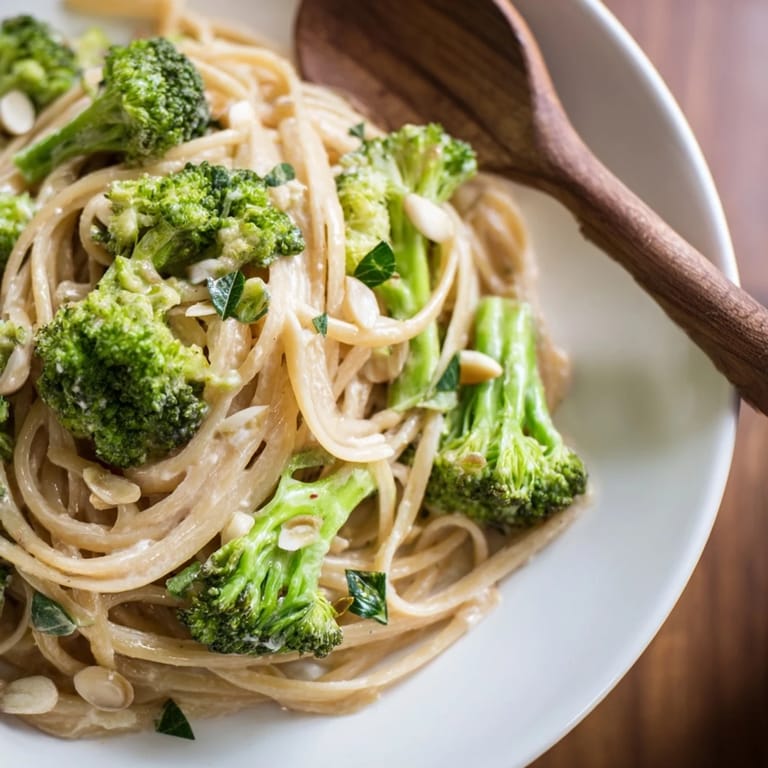
A crisp white wine like Pinot Grigio cuts through the creaminess while echoing the lemon notes. This pasta works beautifully alongside a simple green salad dressed with nothing more than good olive oil and vinegar.
- Grate extra Parmesan at the table for those who love it cheesy
- Keep red pepper flakes on the side for spice lovers
- Crusty bread is essential for sopping up any remaining sauce
 Save to Pinterest
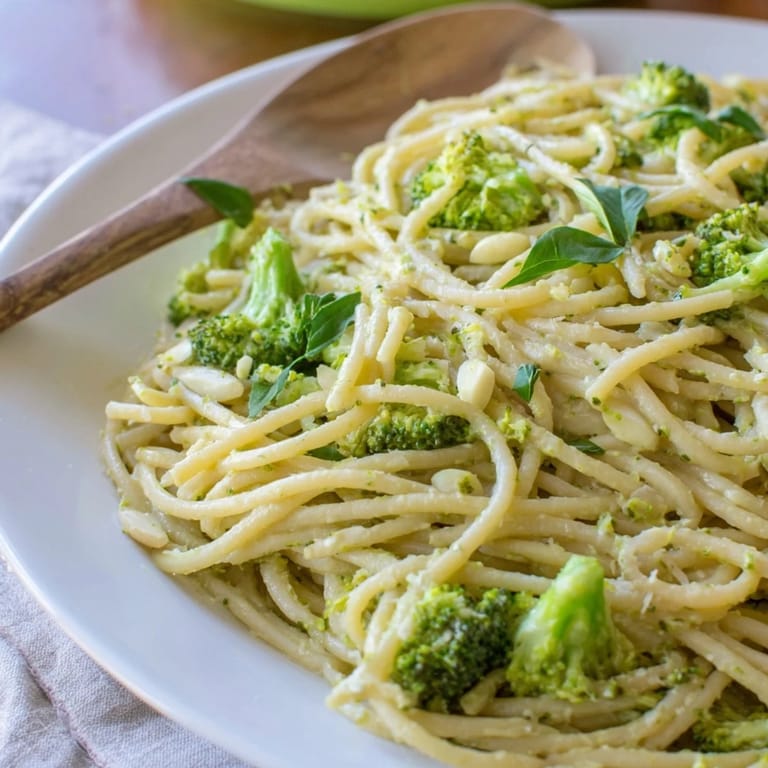
 Good food does not need to be complicated to be memorable. This pasta proves that sometimes the best meals are the ones that let simple ingredients shine.
Recipe FAQs
- → Can I use fresh pasta instead of dried?
Fresh pasta cooks much faster than dried varieties. Reduce cooking time to 3-5 minutes, stirring frequently to prevent sticking. Watch carefully to avoid overcooking, as fresh pasta becomes mushy quickly.
- → How do I prevent the pasta from sticking?
Stir the pot frequently throughout cooking, especially during the first few minutes after adding the pasta. Use a wooden spoon to gently separate strands. The continuous stirring also helps release starch, creating the silky sauce naturally.
- → What can I substitute for Parmesan cheese?
For dairy-free options, use nutritional yeast or vegan Parmesan alternatives. For different flavors, try pecorino Romano for a sharper taste or aged Asiago for more depth. Add cheese at the end to preserve its nutty qualities.
- → Can I make this ahead or reheat it?
This dish is best served immediately while the sauce is silky. Leftovers store in the refrigerator for 3 days. Reheat gently with a splash of broth or milk to restore the sauce consistency, as pasta absorbs liquid while storing.
- → How do I make this creamy without heavy cream?
The combination of vegetable broth, milk, and pasta starch creates natural creaminess. As the pasta cooks, it releases starch that thickens the liquid into a silky sauce. The lemon juice and zest add richness and brightness without need for cream.
- → What wines pair well with this dish?
Crisp white wines work beautifully—try Pinot Grigio, Sauvignon Blanc, or Verdicchio. Their acidity complements the lemon and cuts through the richness of the sauce. Avoid heavy reds, which overpower the delicate flavors.