 Save to Pinterest
 I discovered microwave pasta by accident during a chaotic work-from-home day when I realized I'd forgotten to boil water and had fifteen minutes before a video call. Standing in my kitchen staring at a box of penne, I grabbed a bowl, threw everything in, and hit the microwave like I was defusing a bomb. Eight minutes later, I had actual pasta—creamy, hot, and somehow better than I expected. That day changed how I think about cooking when time is tight.
My roommate walked in just as I was pulling the bowl from the microwave and asked what I was making, convinced something was on fire because of the steam. When I handed her a fork and told her to try it, she took one bite and immediately texted it to our entire friend group with the caption 'my life has changed.' Now whenever someone mentions they're hungry but too lazy to cook, I know exactly what to suggest.
Ingredients
- Dried pasta (75 g): Penne, fusilli, and elbow macaroni all work beautifully here, though small shapes cook more evenly than long noodles would.
- Water (500 ml): This is your cooking liquid and starch is your friend—it helps the sauce cling to the pasta, so don't drain every last drop if you can help it.
- Salt (1/2 tsp): Season the water like you're making pasta the traditional way, because that's exactly what you're doing, just in a bowl.
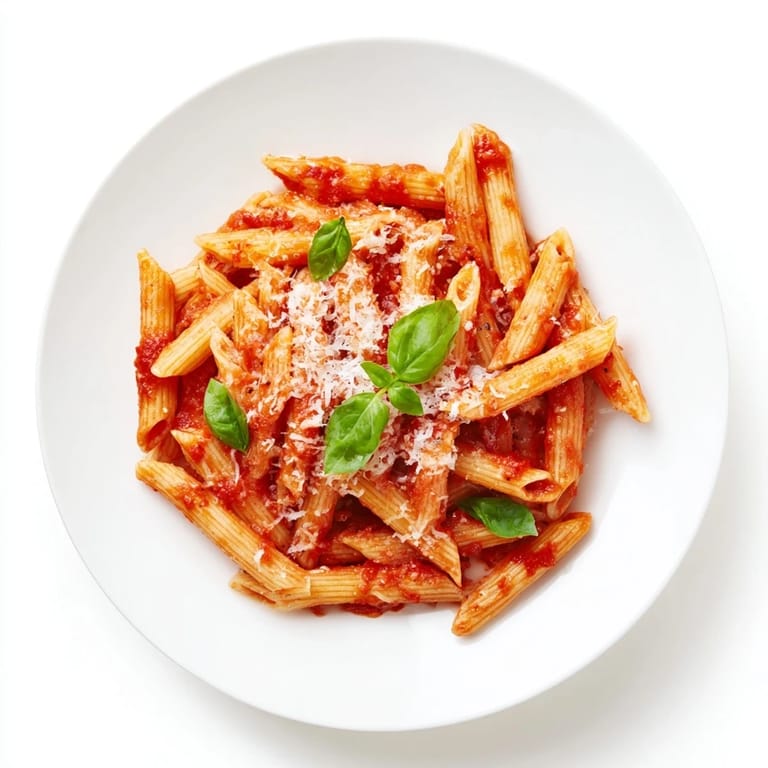
- Sauce (100 ml): Marinara, pesto, or Alfredo all work; the hot pasta will wake up even a jar of sauce from the back of your pantry.
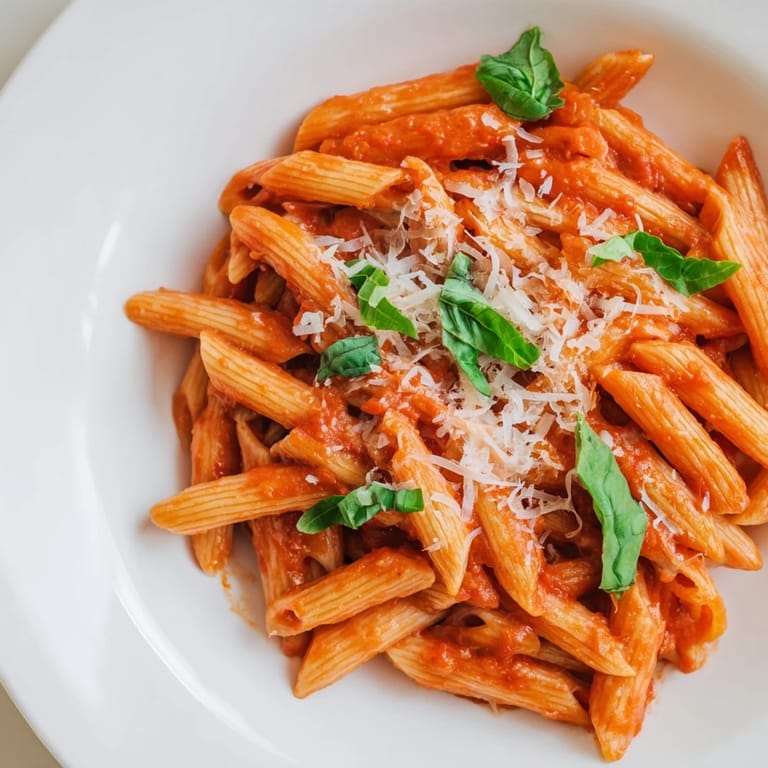
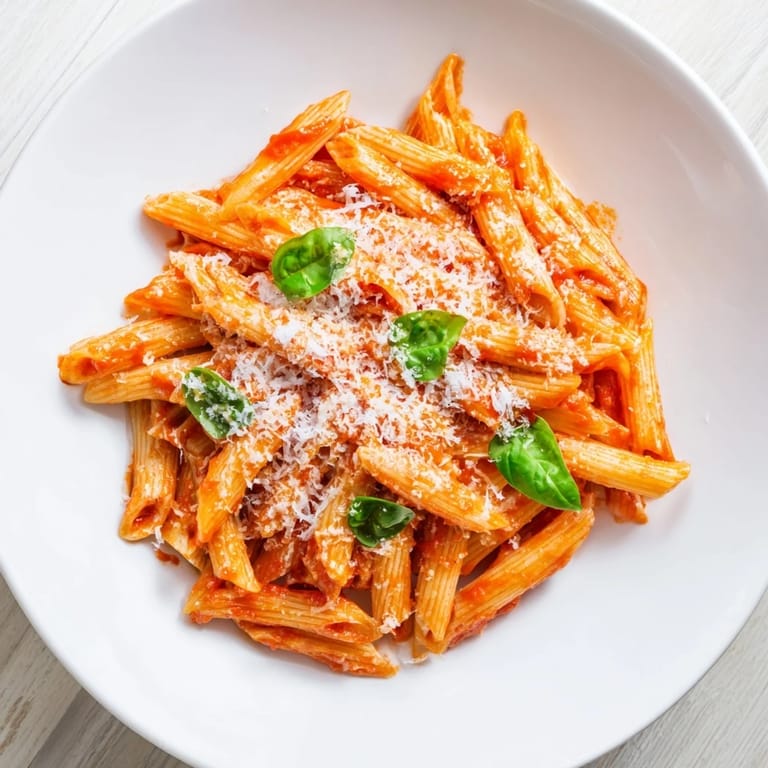
- Parmesan cheese (1 tbsp): Optional, but it melts slightly into the heat and gives everything a sharp, salty edge that feels intentional.
- Fresh herbs: Basil or parsley scattered on top transforms this from quick meal to something you'd actually want to photograph.
Tired of Takeout? 🥡
Get 10 meals you can make faster than delivery arrives. Seriously.
One email. No spam. Unsubscribe anytime.
Instructions
- Combine and submerge:
- Pour your pasta into a large microwave-safe bowl and cover it with water and a pinch of salt. You'll know you have enough water when the pasta is fully covered and has a little breathing room—think of it like a small, starchy swimming pool.
- First power session:
- Microwave uncovered on high for 4 minutes, then open it up and give everything a stir so the pasta cooks evenly and doesn't clump into a sad brick.
- Continue cooking in intervals:
- Microwave in 2 to 3 minute bursts, stirring after each one, until you have al dente pasta—usually 8 to 12 minutes total, though your microwave might have its own mood about this.
- Test for doneness:
- Grab a single piece of pasta with a fork and taste it carefully (yes, carefully—that bowl is genuinely hot). If it's still too firm, give it another minute or two.
- Drain carefully:
- Pour the pasta into a fine-mesh sieve or tilt the bowl gently while using a fork to hold back the pasta, keeping just a thin layer of starchy water clinging to it.
- Sauce and finish:
- Toss the hot pasta with your sauce immediately while everything is still steaming, letting the heat do the work of bringing flavors together. Top with cheese and herbs if you have them.
 Save to Pinterest
 There's something deeply satisfying about watching someone realize they can make hot, from-scratch pasta in their office microwave or a dorm room with no stove. The first time someone takes that first bite and looks genuinely surprised that it's good, you understand why this simple method matters. It's not fancy, but it's real food made in fifteen minutes with one bowl, which somehow feels revolutionary when you're hungry and tired.
Why This Method Actually Works
The microwave heats water just as effectively as a stovetop, and the pasta absorbs that heat the same way it would in a traditional pot. What surprised me most when I started doing this regularly is that the pasta comes out just as tender and flavorful as boiled pasta—the mechanism is identical, it's just happening in a different vessel. Once I stopped thinking of it as a hack and started thinking of it as an actual cooking method, it clicked.
Building Flavor from Simple Ingredients
Marinara sauce is the obvious choice here because it's already bold enough to carry a simple pasta, but I've had great success with bottled pesto mixed with a splash of olive oil to loosen it up, and even plain butter with lots of black pepper if I'm truly minimalist. The key is choosing a sauce with enough seasoning and fat to coat the pasta properly, because plain hot pasta needs something to justify its existence. A quick taste before serving keeps you from ending up with something bland.
Customization Ideas
The beauty of this method is that you can turn one basic bowl into something different every time depending on what's in your kitchen. Frozen peas or spinach tossed in during the last couple minutes add nutrition without much extra work, and canned chickpeas or shredded chicken transform it from side dish to complete meal. Even just cracking an egg into the hot pasta and stirring quickly creates an impromptu cacio e pepe situation that feels fancier than it has any right to be.
- Fresh vegetables like diced tomatoes or thinly sliced zucchini soften in the heat and taste better than you'd expect.
- A sprinkle of red pepper flakes and garlic powder while the pasta is still hot give you restaurant-level seasoning in two seconds.
- Leftovers reheat beautifully in the microwave the next day, making this as practical for batch cooking as it is for single servings.
 Save to Pinterest
 This recipe proved to me that convenience food doesn't have to taste convenient, and that sometimes the fastest way to cook is the best way. I still make this at least once a week, and I'm never bored by it.
Recipe FAQs
- → How do I know when the pasta is done in the microwave?
Check the texture after microwaving in increments; pasta should be tender but firm to bite, known as al dente. If needed, microwave further in short intervals.
- → Can I cook gluten-free pasta this way?
Yes, just adjust the cooking time since gluten-free pasta often cooks faster. Keep an eye on texture to avoid overcooking.
- → What bowl should I use for microwaving pasta?
Use a large, microwave-safe bowl to allow pasta to cook evenly and prevent water from boiling over.
- → Is it possible to add vegetables while cooking pasta in the microwave?
Yes, adding frozen peas or spinach during the last few minutes of cooking boosts nutrition and flavor without extra steps.
- → How do I drain pasta safely after microwaving?
Use a fine-mesh sieve to drain water or carefully tilt the bowl while holding back pasta with a fork or spoon.
- → What sauces work best with microwave-cooked pasta?
Spreads like marinara, pesto, or Alfredo complement the dish well. Choose store-bought or homemade options to suit your taste.