 Save to Pinterest
 My friend arrived with a box of premium hojicha tea from Kyoto, and instead of brewing it traditionally, I found myself staring at the beautiful roasted leaves wondering what else they could become. That evening, watching the cream turn a soft amber as the tea steeped, something clicked—this delicate, almost coffee-like flavor belonged in something rich and indulgent. The cheesecake was born from curiosity and a desire to honor that tea in a way that felt both surprising and completely natural.
I made this for my sister's birthday last fall, and honestly, watching her take that first bite while sitting by the window with afternoon light streaming in felt like the whole thing was worth every minute. She described it as tasting like autumn in the best possible way, and after that, I couldn't stop making it for people I cared about.
Ingredients
- Graham cracker crumbs (200 g): The foundation needs to be buttery and slightly sweet, so don't skip toasting them gently in the oven first if you're crushing them fresh.
- Unsalted butter (90 g, melted): Use good quality butter here because it's one of only a few ingredients in the crust, and you'll taste every bit of it.
- Granulated sugar (2 tbsp for crust, 150 g for filling): Measure carefully—too much in the filling creates a dense, overly sweet cake that loses the hojicha's delicate character.
- Hojicha loose leaf tea or bags (2 tbsp): This is where the magic lives, so source it from a tea shop if you can rather than grabbing whatever's on the grocery shelf.
- Heavy cream (120 ml total): Use the coldest cream from the back of your fridge for the hojicha steeping, and it'll infuse more beautifully.
- Cream cheese (450 g, softened): Leave it on the counter for at least an hour before starting, or it'll create lumps that no amount of beating will fix.
- Eggs (2 large): Add them one at a time so you don't deflate the batter, and let them come to room temperature for smoother mixing.
- Sour cream (120 ml): This adds tanginess that keeps the cheesecake from feeling one-dimensional and balances the sweetness perfectly.
- Vanilla extract (1 tsp): A quiet player that rounds out all the other flavors without announcing itself.
- All-purpose flour (1 tbsp): Just enough to stabilize the filling without making it cakey or dense.
Tired of Takeout? 🥡
Get 10 meals you can make faster than delivery arrives. Seriously.
One email. No spam. Unsubscribe anytime.
Instructions
- Heat your oven and prep the pan:
- Set the oven to 160°C (325°F) and line your springform pan with parchment paper on the bottom—this keeps everything from sticking later. A water bath isn't strictly necessary for this recipe, but having your baking tray ready means you won't be scrambling when the filling is ready.
- Build the crust:
- Mix the graham cracker crumbs, melted butter, sugar, and salt until it looks like damp sand, then press it firmly into the pan. Bake for 10 minutes until it turns a shade darker and smells toasted, then let it cool completely.
- Steep the hojicha:
- Heat the cream in a small saucepan until you see wisps of steam rising, then add the hojicha and cover it immediately. The tea will slowly release its beautiful roasted color and subtle sweetness over 10 minutes—don't rush this or it'll taste bitter.
- Create silky cream cheese base:
- Beat the softened cream cheese until it's completely smooth with no lumps, then add sugar and mix until fluffy. Add eggs one at a time, beating well after each one, then fold in the sour cream, vanilla, and flour until just combined.
- Make the hojicha layer:
- Strain the cooled hojicha cream into a separate bowl, then measure out about ⅓ cup of the plain batter and stir it together with the hojicha cream until it's a uniform pale brown color. This creates your swirl without overwhelming the cheesecake.
- Swirl and bake:
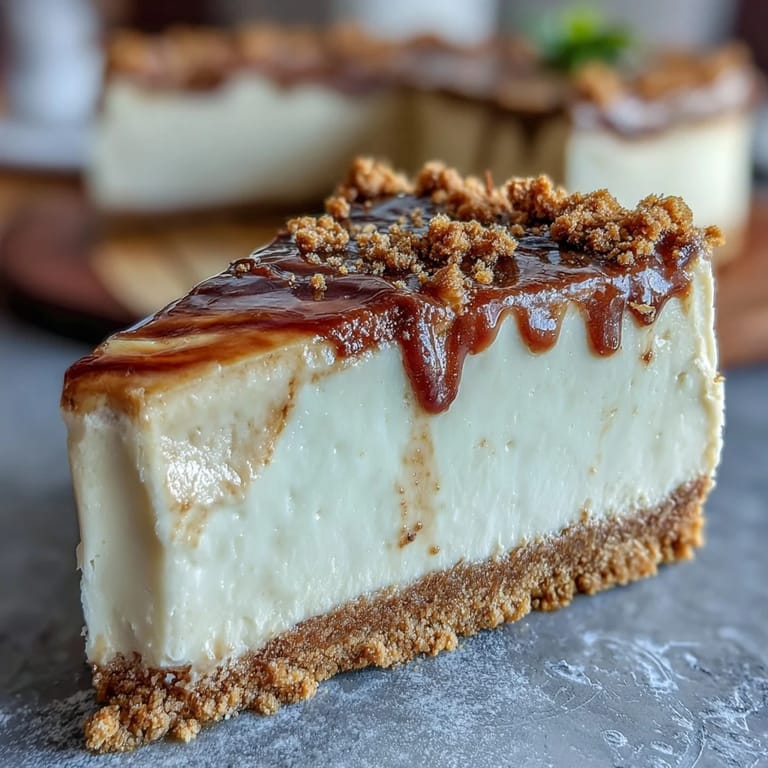
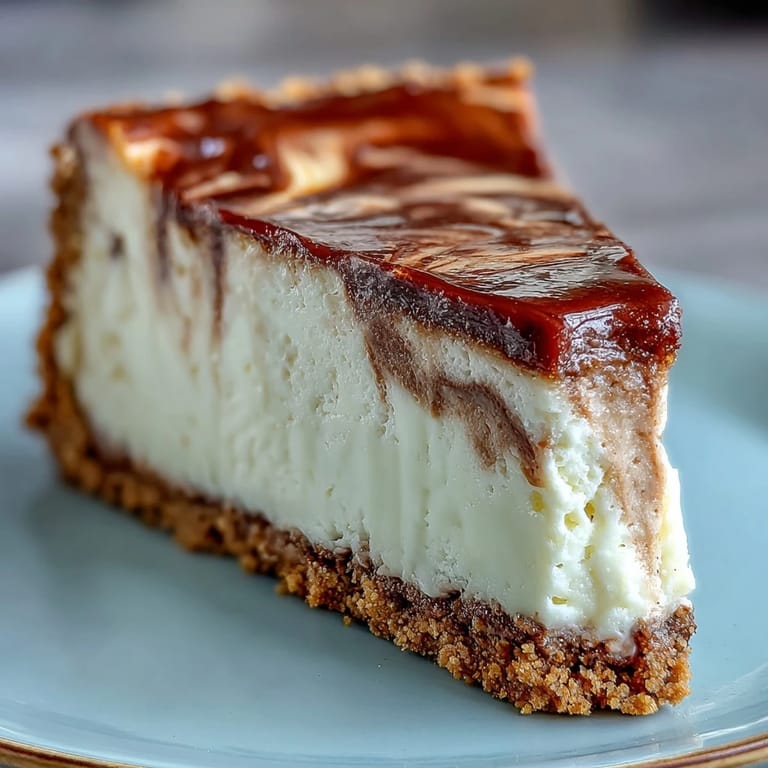
- Pour the plain batter over the cooled crust, then drop spoonfuls of hojicha batter randomly across the top. Take a skewer or thin knife and draw it gently through the layers in a few directions to create that beautiful marbled effect—less is more here.
- The gentle bake:
- Bake for 40 to 45 minutes until the edges are set and firm but the very center still jiggles slightly when you gently shake the pan. Turn off the oven, crack the door open about 2 inches, and let it cool inside for a full hour so temperature changes don't cause cracks.
- Chill thoroughly:
- Let it cool to room temperature, then refrigerate for at least 5 hours or overnight—the longer rest makes the flavors bloom and the texture becomes impossibly creamy.
 Save to Pinterest
 The first time I served this, my neighbor asked for the recipe while still eating her slice, fork hovering mid-air like she'd forgotten how to be polite. That moment of genuine surprise—when someone expects a regular cheesecake and gets something they've never tasted before—that's when I knew this recipe was worth keeping close.
The Story Behind Hojicha
Hojicha is regular green tea that's been roasted at high temperature, which transforms it into something entirely different—deeper, warmer, almost like a cross between tea and coffee. It's less common in Western kitchens, which means when people taste it for the first time in a dessert, they pause and really *taste*, which is the whole point. I learned about it years ago from a tea merchant who explained that the roasting process makes it less astringent than green tea, which is why it works so beautifully in creamy, sweet applications without tasting bitter.
Why a Springform Pan Matters Here
Using a springform pan means you release the sides instead of trying to run a knife around the edges or flip the whole thing onto a plate, which sounds simple but changes everything. I've attempted cheesecakes in regular pans, and the stress of getting it out intact always overshadows the triumph of actually making it, whereas a springform pan lets you feel proud of your work without the demolding anxiety. The parchment paper on the bottom means even the base slides out cleanly if you want to move it to a serving plate.
Customizing Your Swirl
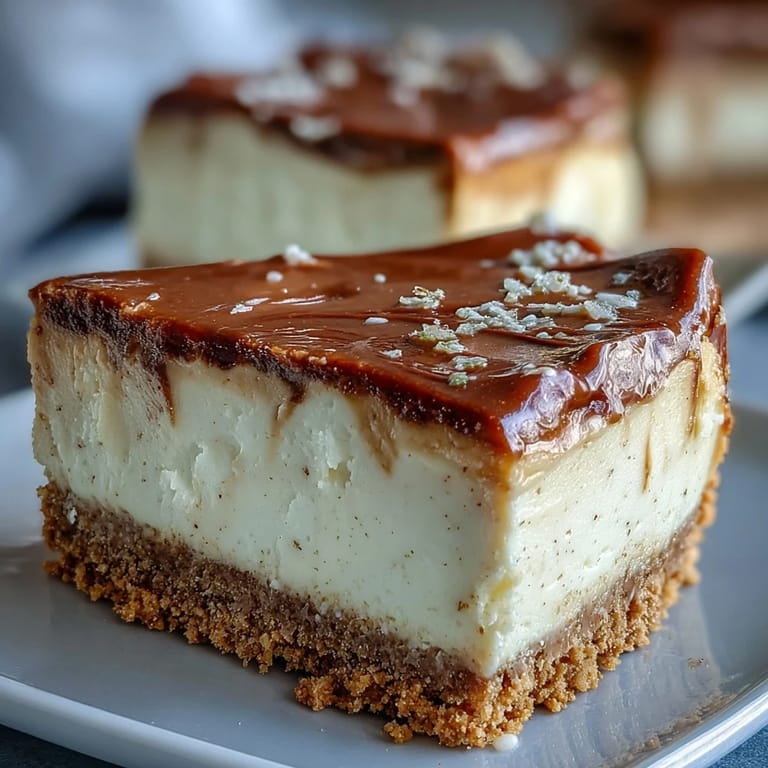
The beautiful thing about the swirl is that it doesn't need to be perfect to look intentional and gorgeous—some people prefer bold, deep swirls while others like a more subtle effect. You can make the hojicha layer darker by steeping the tea longer or adding hojicha powder instead of liquid, and you can make more swirls by dividing more batter into the hojicha cream if you want a striped effect. The visual appeal is just a bonus because what really matters is that every bite has that perfect balance of creamy cheesecake and roasted tea flavor.
- If you accidentally overmix the swirl, don't panic—even a marbled layer looks beautiful when it bakes and cracks slightly on the surface.
- A toothpick works just as well as a skewer if that's what you have in your drawer, and sometimes the less predictable pattern from a dull tool looks more artisan anyway.
- You can make this recipe a day ahead and keep it refrigerated until you're ready to serve, which actually improves the flavor as the hojicha continues to mellow and integrate.
 Save to Pinterest
 Making cheesecake never gets old, especially when the flavors are unexpected enough to feel like you're discovering something new each time. Serve this with tea, black coffee, or nothing at all—it stands completely on its own.
Recipe FAQs
- → What does hojicha taste like in cheesecake?
Hojicha adds a roasted, nutty flavor with subtle caramel notes that pairs beautifully with the creamy cheesecake. It's less astringent than other Japanese teas, creating a smooth, warming taste complemented by the rich cream cheese filling.
- → Can I use matcha instead of hojicha?
While you can substitute matcha, the flavor profile will be quite different. Matcha is grassy and vibrant, whereas hojicha is roasted and mellow. The cheesecake will still be delicious, but expect a more pronounced green tea flavor rather than the toasty notes.
- → Why does my cheesecake crack?
Cracking usually occurs from overbaking or cooling too quickly. Follow the technique of turning off the oven and cracking the door open to let the cheesecake cool gradually. This prevents rapid temperature changes that cause surface cracks.
- → How long should I chill the cheesecake?
For the best texture and flavor, refrigerate for at least 5 hours, though overnight chilling is ideal. This allows the flavors to meld and the cheesecake to set completely, making it easier to slice cleanly.
- → Can I make this crustless?
Yes, simply omit the crust layer and grease the springform pan thoroughly. The cheesecake will bake beautifully without the crust, though you'll miss the delightful textural contrast and buttery flavor the graham cracker base provides.
- → What's the best way to get a clean swirl?
Drop spoonfuls of the hojicha batter onto the plain batter rather than pouring it all in one spot. Use a skewer or thin knife to gently swirl through both batters in a circular or figure-eight pattern, being careful not to overmix.