 Save to Pinterest
 The scent of melting brown sugar and butter filled my kitchen the first time I set out to bake this Taurus Cake. It was less about the stars and more about chasing the comfort that only butterscotch can bring when paired with the subtle perfume of flowers. Sometimes, a gloomy afternoon is exactly when I decide to attempt an ambitious, earthy-hued layer cake. There's a calmness in beating together eggs and sugar, in swirling natural colorants into buttercream, that makes me feel both grounded and celebratory. By the time edible flowers made their way atop the final layer, I found myself humming contentedly, kitchen counter flecked with gold dust and stray petals.
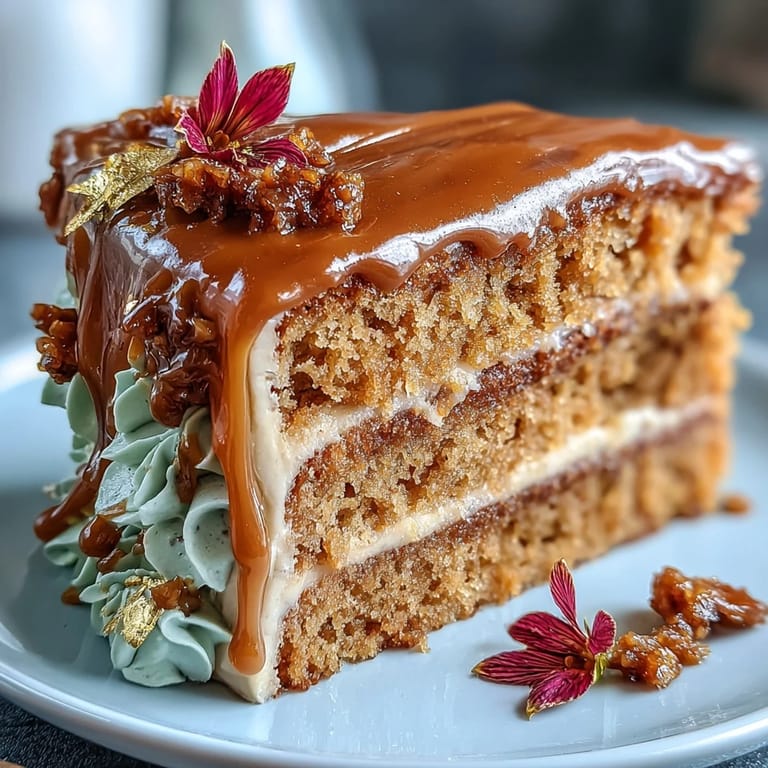
Baking this cake for a close friend's birthday, I remember the two of us laughing over spilled matcha powder and negotiating which edible flowers looked less like salad and more like celebration. Cutting into those sunbeam yellow, mossy green, and blushing pink layers, we both decided the mess was absolutely worth it. There was something grounding about the shared creation, a small ritual for earth signs and sweet tooths alike.
Ingredients
- All-purpose flour: Gives the cake its soft crumb—sifting it first avoids lumps for the perfect texture.
- Baking powder and baking soda: A careful balance of both ensures the layers rise evenly yet stay tender.
- Unsalted butter: Use it at room temperature for effortless mixing and extra-creamy butterscotch sauce.
- Brown sugar: Choose dark brown if you’re after a deep, molasses-rich sweetness in both cake and sauce.
- Large eggs: Add structure and richness—I recommend cracking them into a bowl first, just in case.
- Vanilla extract: Rounds out both the sauce and cake’s flavor with mellow warmth.
- Sour cream or plain yogurt: Brings unbeatable tenderness and subtle tang; don’t skip it.
- Whole milk: Keeps the crumb plush; take off the chill so the batter doesn’t seize.
- Butterscotch sauce: Homemade makes all the difference—let it cool before folding in.
- Powdered sugar: For a buttercream that’s light, smooth, and impossible to resist.
- Rose water and dried lavender: A poetic floral hit in the icing—but go gently for the right balance.
- Natural colorants (matcha, beet powder, etc.): For earth-inspired hues—mix in bit by bit until you reach that moss, blush, or warm cocoa shade.
- Edible flowers and fresh herbs: They transform this cake into an eye-catching centerpiece; always buy from reliable culinary sources.
- Gold leaf or dust (optional): Adds a little “wow” for festive occasions—just a touch is all you need.
Tired of Takeout? 🥡
Get 10 meals you can make faster than delivery arrives. Seriously.
One email. No spam. Unsubscribe anytime.
Instructions
- Prep the cake pans:
- Grease and line your pans—my parchment rounds stick out like little party hats, but that’s how you guarantee easy unmolding.
- Make the butterscotch sauce:
- Let butter and brown sugar bubble and smell like caramels, then pour in the cream and stir until glossy; don’t walk away, it loves to catch just as it starts to thicken.
- Mix the dry ingredients:
- Sift flour, baking powder, baking soda, and salt together so everything blends softly, no pockets of surprise flour later.
- Cream sugar and butter:
- Beat them until truly pale and fluffy; this creates airy layers and sets the mood for the whole cake.
- Incorporate eggs and vanilla:
- Beat in eggs one at a time, scraping the bowl after each—this step is oddly satisfying, trust me.
- Combine wet ingredients:
- Mix in the sour cream, then swirl in that cooled butterscotch sauce; if you taste a spoonful here, I won’t blame you.
- Add drys and milk:
- Alternate flour mixture and milk, starting and ending with flour—stir gently, just until combined, to avoid a dense cake.
- Bake:
- Pour into pans, then bake until the kitchen smells like toast and brown sugar; the surface should spring back if you tap it lightly.
- Cool the layers:
- Wait ten minutes in the pans (resist), then flip onto racks—the sneaky bit at the edge is always my first taste.
- Make the buttercream:
- Beat softened butter until almost white, then add powdered sugar and splash in milk for a dreamy consistency; stir in floral notes lightly.
- Color your buttercream:
- Divide and tint with matcha, beet powder, cocoa, turmeric, or spirulina—start small, the colors deepen as they sit.
- Assemble:
- Layer cakes with swaths of tinted buttercream, spinning the plate for swooping, earthy marbling; chill until set.
- Decorate:
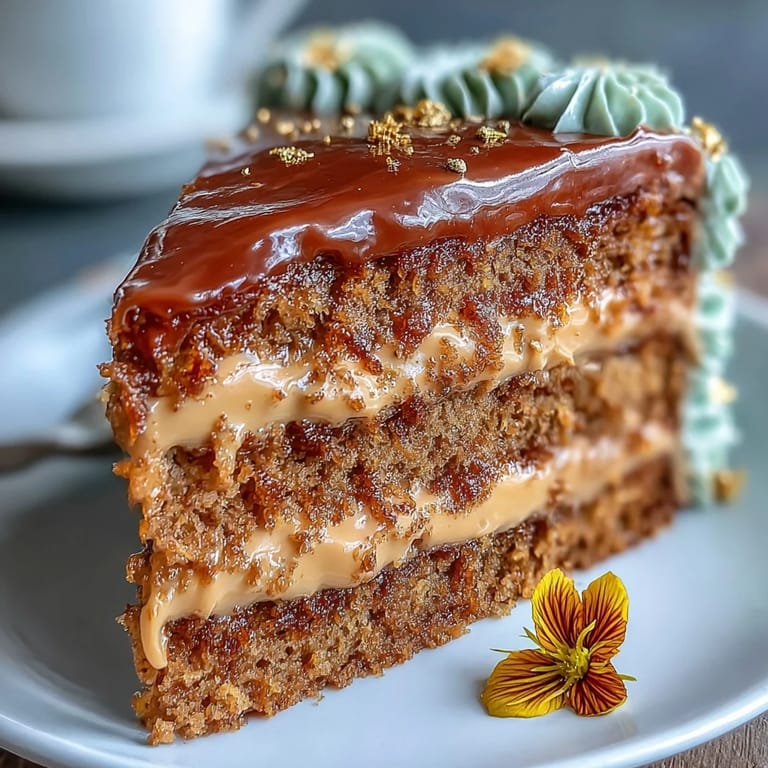
- Scatter with edible petals, herbs, and flicker on gold leaf if you’re feeling fancy; breathe it in before you slice.
 Save to Pinterest
 There was a moment after we’d finished decorating when the sunlight hit the cake just right, highlighting every swirl and petal. Suddenly, it was no longer just dessert—it was a centerpiece, and even the self-proclaimed non-cake lovers at the table wanted a slice.
Choosing Edible Flowers and Natural Colors
When I first tried this recipe, I was skeptical about using edible flowers and powders like matcha and turmeric. Choose flowers that are as fresh as possible and be sure they’re safe for eating. For natural colorants, mix them into a tiny spoonful of buttercream before committing it to the whole batch—you’ll save yourself from startling shades or excessive flavors.
Making the Cake Ahead of Time
This cake actually improves after a night in the fridge, as the floral notes in the buttercream seem to mellow and the butterscotch deepens. Just be sure to let it come back to room temperature before serving so the crumb is soft and the icing's not too firm to slice gracefully.
Troubleshooting and Time-Saving Tricks
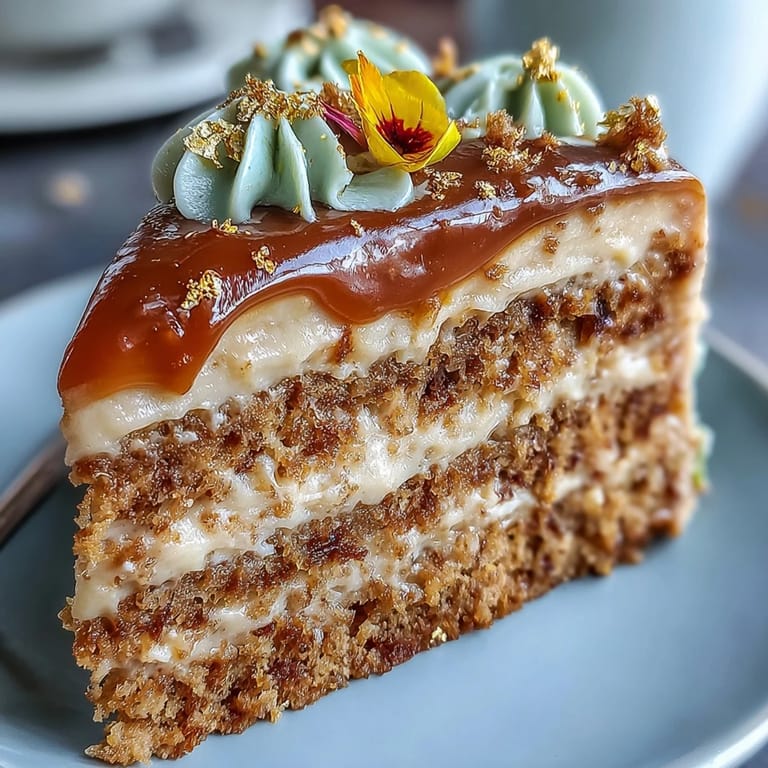
If you’ve ever panicked over uneven cake layers, don’t worry—stacking and buttercream can hide a multitude of imperfections. Storing cake layers wrapped and chilled makes assembly less hectic. Adding flowers right before serving keeps them most vibrant.
- Check your cakes with a toothpick early so you don’t overbake.
- Sift powdered sugar for lump-free buttercream.
- Line pans generously—few things are sadder than stuck cake.
 Save to Pinterest
 This Taurus Cake is as much a joy to make as it is to serve—at its heart, it’s a sweet celebration of earthy comforts and unexpected florals. Share slices with friends, and let the small kitchen messes be part of the fun.
Recipe FAQs
- → How do I keep the butterscotch layers moist?
Use room-temperature eggs, measure flour accurately, avoid overmixing, and remove the pans once a toothpick shows a few moist crumbs. Cool in pans 10 minutes before transferring to racks.
- → How can I make a smooth butterscotch sauce?
Melt butter and dissolve brown sugar over medium heat, add cream and bring to a gentle simmer while whisking until smooth. Remove from heat before adding vanilla and salt, then cool to thicken.
- → What are good substitutes for rose water?
Orange blossom water or a small amount of vanilla extract work well. Start with a reduced amount and adjust to taste to avoid overpowering the buttercream.
- → How do I get subtle, even earth-tone swirls in the buttercream?
Divide buttercream into portions and tint lightly with natural powders. Layer or pipe contrasting colors and use an offset spatula to gently swirl rather than fully blend for a marbled, earthy look.
- → What's the best way to store the finished cake?
Keep covered at room temperature up to 3 days. Refrigerate if using fresh flowers or in warm conditions; bring to room temperature before serving for best texture and flavor.
- → Can I use dried lavender in the buttercream?
Yes—finely grind dried lavender or steep briefly in warm milk before adding. Use sparingly to avoid a bitter or soapy note; pair with rose water for balanced floral character.