 Save to Pinterest
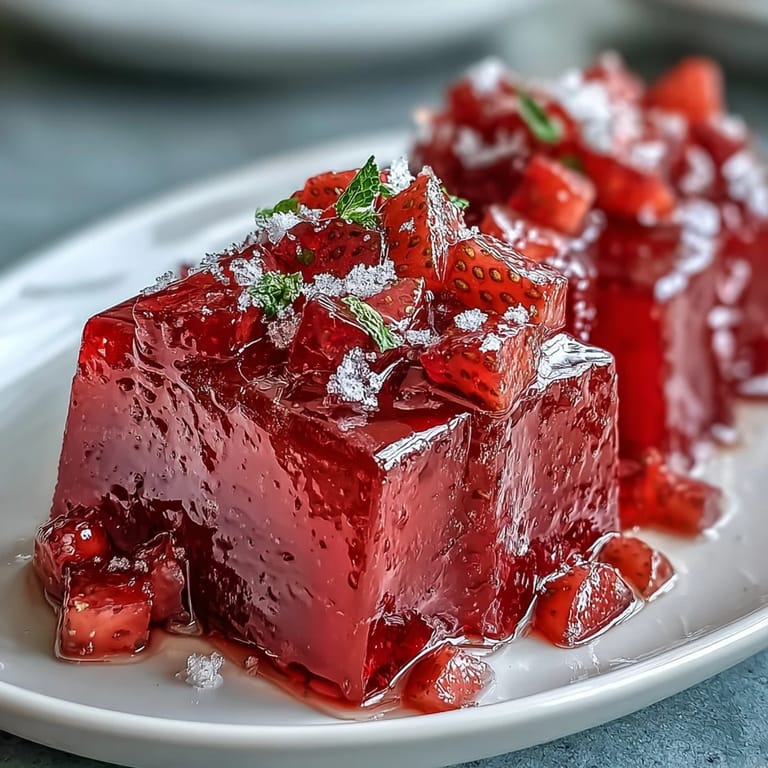
 Whenever I make Strawberry Rose Gelatin Mosaic Cake, I'm instantly enveloped by the heady scent of rose water meeting the fruity sweetness of strawberries. It's one of those recipes that feels almost magical as you see jewel-toned cubes suspended in silky, creamy bliss. A gentle clink of the spoon as I whisk the milk, the low boil of water on the stove—these are the quiet moments before celebration. I love how the kitchen seems to brighten with every step and every vivid cube sliced. Somehow, this dessert turns an ordinary day into something worthy of a toast.
I distinctly remember juggling a conversation with a friend while slicing gelatin cubes for this cake—our laughter echoed as the pieces wobbled across the counter, and she admitted she'd never seen a ‘cake’ built like glass art before. That afternoon, we brought the finished dessert out onto the sunlit patio and the mosaic colors danced in the daylight, making the whole treat feel like a centerpiece for summer.
Ingredients
- Strawberry-flavored gelatin (1 packet, 85 g): Gives that unmistakable sweet fruit punch and the most vivid red cubes—steep it fully in boiling water for the clearest set.
- Boiling water (2 cups for strawberry gelatin): Absolutely crucial for dissolving every grain so your cubes are smooth and glassy.
- Unflavored gelatin (1 packet, 10 g for rose gelatin + 2 packets, 20 g for cream base): The unsung hero that holds every layer together—let it bloom patiently until fully spongy.
- Water (2 cups for rose gelatin): Use filtered if you can, to keep flavors pure, and let it gently dissolve sugar for that floral base.
- Rose water (2 tbsp): Just a little infuses the gelatin with perfume—don’t be tempted to add more or it can overpower.
- Granulated sugar (3/4 cup): Softens and sweetens the rose layer without turning it syrupy.
- Pink food coloring (optional): A drop is all it takes for a blush color—the most fun is swirling it in and watching the hue bloom.
- Cold water (1/2 cup for cream base): Ensures your gelatin blooms evenly—use a wide bowl so every granule hydrates.
- Whole milk (2 cups): Adds body; don’t let it boil or you’ll lose that gentle, creamy texture.
- Heavy cream (1 cup): Rich and lush, it evens out the sweetness and makes the mosaic slice beautifully.
- Sweetened condensed milk (1 cup): My not-so-secret ingredient for depth and silkiness.
- Vanilla extract (1 tsp): The quiet backdrop that brings the floral and berry flavors together in harmony.
Tired of Takeout? 🥡
Get 10 meals you can make faster than delivery arrives. Seriously.
One email. No spam. Unsubscribe anytime.
Instructions
- Create the strawberry layer:
- Dissolve the strawberry gelatin in boiling water, stirring until crystal clear, then pour into a shallow dish and chill until set and springy to the touch.
- Make the rose gelatin:
- Gently heat water and dissolve sugar completely before turning off the heat and stirring in the bloomed unflavored gelatin, plus the rose water and a dab of pink coloring if you like—pour into a second dish to set.
- Cube the gelatins:
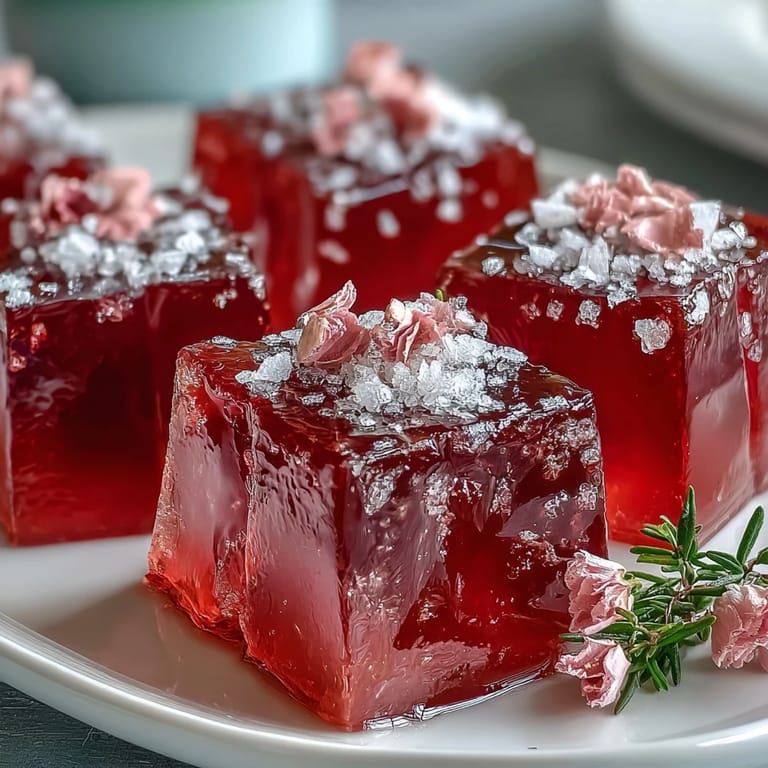
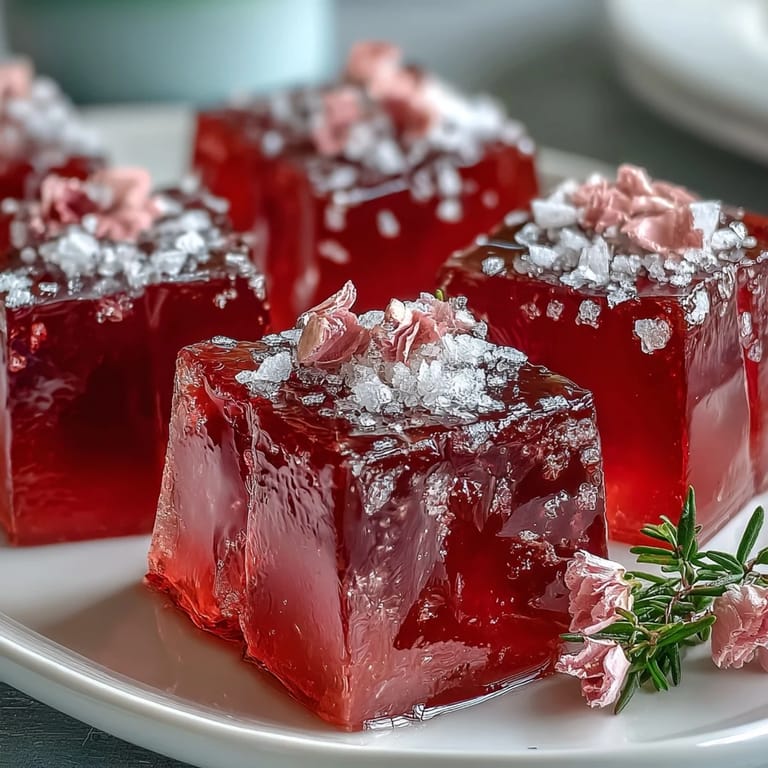
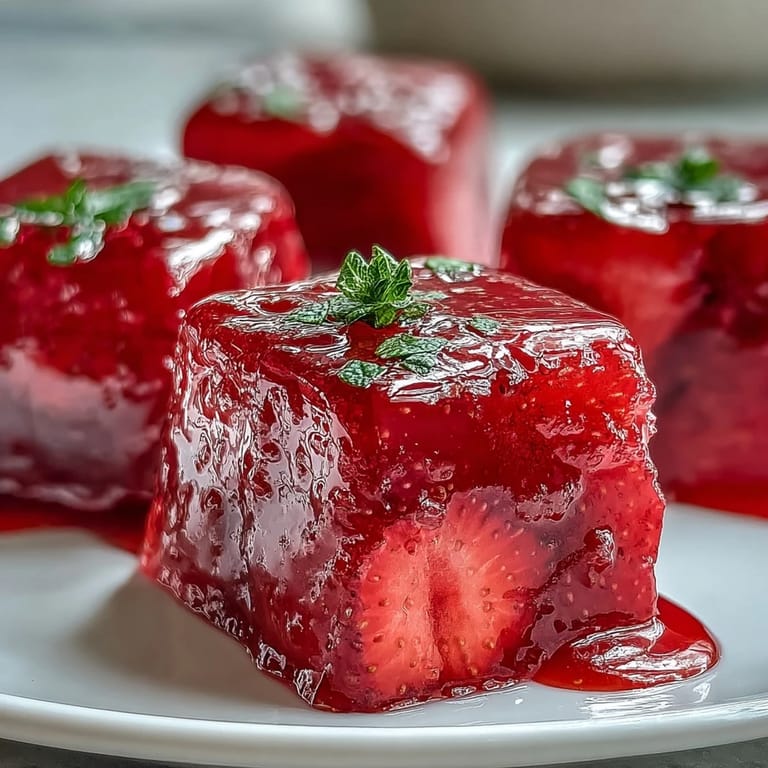
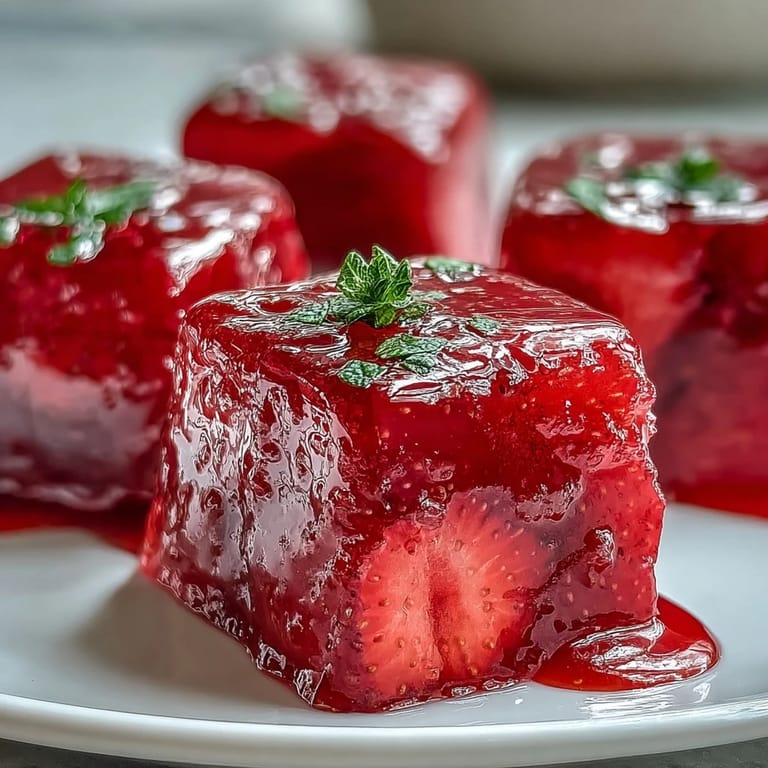
- Once both layers are firm, run a sharp knife through them to create neat 1–2 cm cubes that glisten in the light.
- Start the cream base:
- Bloom the unflavored gelatin in cold water for 5 minutes—meanwhile, warm the milk and cream just to a simmer, then whisk in gelatin until smooth.
- Finish the base:
- With the pot off heat, add the sweetened condensed milk and vanilla, and let cool until the mixture is barely warm but still flowing.
- Assemble in the mold:
- Toss the strawberry and rose gelatin cubes lightly together and arrange in a greased 10-inch bundt mold so the colors mix.
- Pour and settle:
- Carefully pour the cooled cream base over the cubes, then tap the mold gently until you see air bubbles float up and disappear.
- Chill to perfection:
- Refrigerate for at least 3–4 hours, until the cake is thoroughly set and wobbles as one.
- Unmold and serve:
- Dip the mold briefly in warm water, invert onto a plate, and let gravity and patience do their work—slice with a knife run under hot water for clean, beautiful edges.
 Save to Pinterest
  Save to Pinterest
 One evening, after making this cake for a festive dinner, I watched as my guests gasped and giggled at each vibrant slice—nobody wanted to take the first piece and ruin the mosaic, but once they did, it became a race for seconds. It was a moment when dessert transformed the meal into a memory, and to me, that's all the reason to make it again and again.
Choosing and Blooming Gelatin Like a Pro
Don’t underestimate the difference that fresh, high-quality gelatin makes in this recipe—the texture is everything. I tried using an old box once, and the whole dessert had a sad, rubbery bite instead of that perfect creamy wobble. Always let the unflavored gelatin bloom until fully spongy before using, and whisk until you see no grains left for the smoothest result.
Bringing Out the Best in Rose Water
Rose water is tricky; a few drops too many and it can taste like perfume rather than dessert. Start small and taste as you go—your kitchen should smell softly floral, not overwhelming. Pairing the floral with fruit keeps it bright, and adding just a blush of pink can create that perfect visual hint of flavor.
Finishing Touches Friends Will Love
For special occasions, I like to scatter freshly sliced strawberries and a handful of edible rose petals over the unmolded cake, right before serving. It instantly elevates each slice and makes the whole dessert look much more involved than it really is.
- Line the mold with a very light coat of neutral oil for easier unmolding.
- Chill your knife before slicing for the cleanest cuts.
- Let guests admire it before serving—it’s a little edible stained glass showstopper.
 Save to Pinterest
  Save to Pinterest
 This mosaic cake is both art and comfort on a plate—a small slice of playfulness for any gathering. It always leaves the table quieter and sweeter than before.
Recipe FAQs
- → How do I stop the colored gels from bleeding into the cream?
Ensure the strawberry and rose gels are completely set and well chilled before cubing. Handle cubes gently with a sharp knife and pat dry briefly on paper towel if they feel wet. Arrange cubes with space between them and pour the cooled (not hot) cream slowly to minimize agitation.
- → Can I use a vegetarian gelatin substitute like agar-agar?
Agar-agar sets firmer and at higher temperatures than gelatin and can alter texture. Use roughly 1 tsp agar powder per cup of liquid as a starting point, dissolve fully, and note it sets at room temperature. Test a small batch first, as setting times and mouthfeel will differ.
- → How do I incorporate the bloomed gelatin into the warm milk without lumps?
Bloom gelatin in cold water first, then stir it into milk and cream that have been warmed to just below simmering. Stir until fully dissolved, then add condensed milk and vanilla. Let the mixture cool to lukewarm before pouring over the cubes to avoid melting them.
- → What molds work best for this mosaic style?
Ring or bundt molds are ideal for a showy unmolded presentation. Silicone molds make unmolding easier; metal or glass molds work well if you briefly warm the exterior in warm water before inverting. Ensure the mold is clean and dry before arranging the cubes.
- → How long will it keep and how should I store it?
Keep chilled in an airtight container or covered in the refrigerator for up to 3 days. Add fresh fruit or edible petals just before serving to preserve texture and appearance. Avoid freezing, as the cream base will change texture when thawed.
- → Any tips for infusing extra flavor into the cream base?
Gently heat milk with sliced strawberries or a strip of orange zest, then strain before adding the bloomed gelatin. For a different floral note, swap rose water for elderflower syrup, adding it sparingly to taste.