 Save to Pinterest
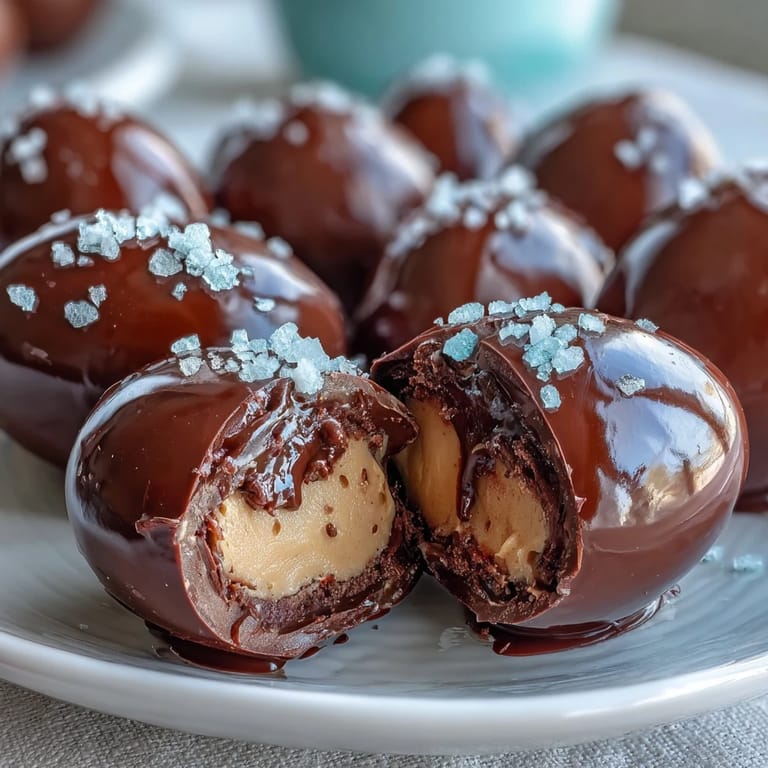
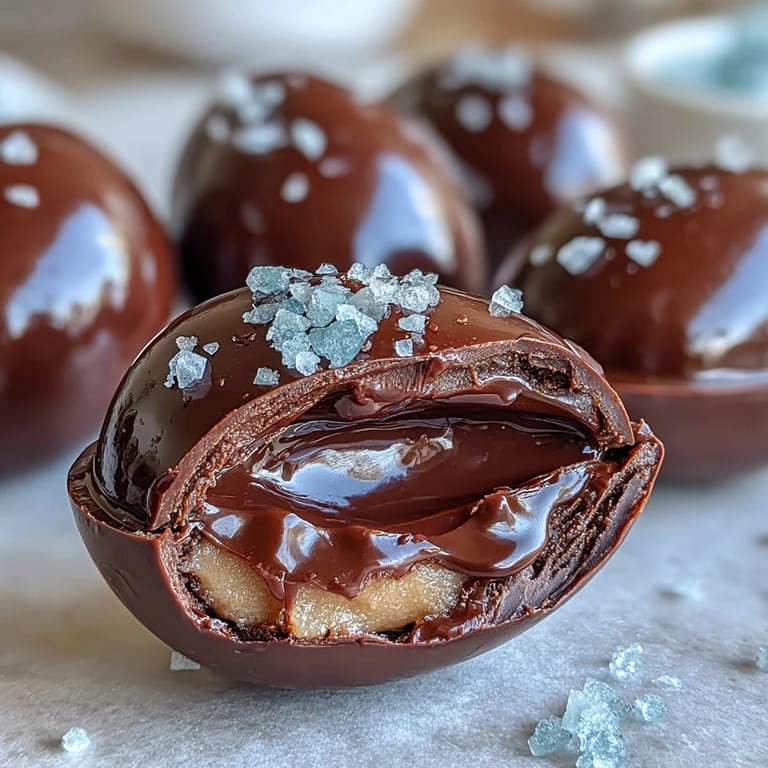
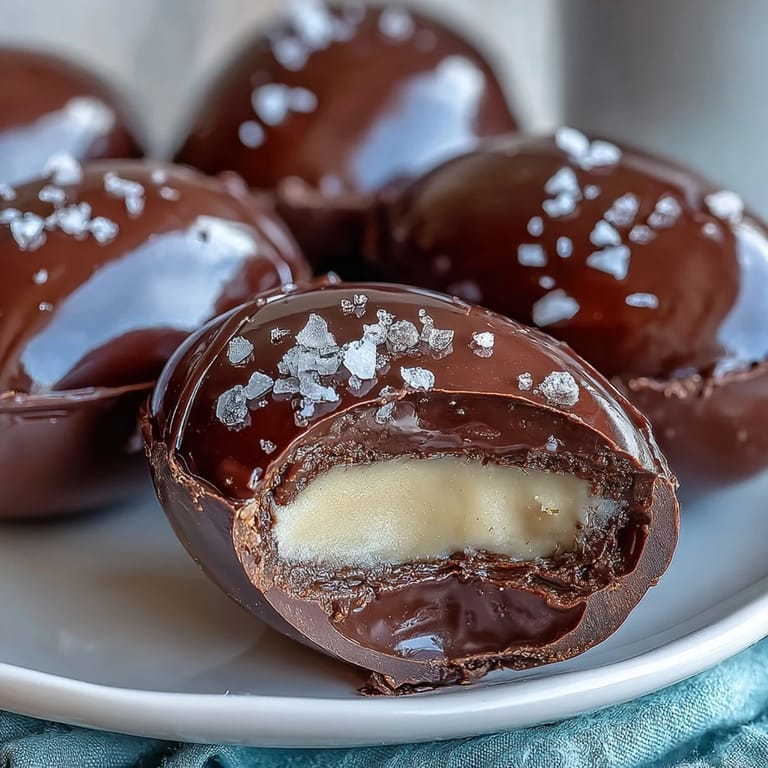
 The first time I made these Dark Chocolate Peanut Butter Easter Eggs, the kitchen smelled like melted chocolate and roasted peanuts — I remember pausing just to breathe it in. I wasn’t planning on making anything fancy, just a quick treat to use up some leftover peanut butter. My playlist was on shuffle and a jazz tune came on, so I danced a little as I rolled the filling into egg shapes. The process felt strangely calming, especially as the smooth chocolate coated my fingertips. What surprised me most was how satisfying it felt to sprinkle flaky sea salt over each glossy egg before the shell set.
One spring, I brought a tray of these Easter eggs to a friend's backyard brunch, and they disappeared in moments — everyone kept asking how I got the chocolate to look so shiny. I confessed that it was just coconut oil and some patience with the chocolate tempering. There was laughter around the table, and a few people ended up licking chocolate from their fingers, not caring about being neat. It made the morning feel festive and a little indulgent. That day, I decided these eggs would become part of my Easter routine.
Ingredients
- Creamy Peanut Butter: Smooth peanut butter gives the filling its rich, melt-in-your-mouth texture; I always use a brand with minimal added sugar.
- Unsalted Butter: Warm butter blends easily, making the filling extra luscious; setting it out for 10 minutes helps avoid lumps.
- Powdered Sugar: Sifts in for structure and subtle sweetness — don't skip screening it if you want the filling absolutely silky.
- Pure Vanilla Extract: Just a splash brings warmth and rounds out the peanut flavor; try to avoid imitation vanilla.
- Fine Sea Salt: Balances the sweetness and enhances the peanut butter’s depth, but just a pinch is enough.
- Dark Chocolate (60–70% cocoa): Chopping the chocolate finely helps it melt smoothly and coat evenly.
- Coconut Oil (optional): Stirring in coconut oil creates that irresistible shiny finish on each egg; I learned this trick from a pastry chef friend.
- Flaky Sea Salt: A sprinkle on top adds crunch and bursts of salt that wake up the flavors.
Tired of Takeout? 🥡
Get 10 meals you can make faster than delivery arrives. Seriously.
One email. No spam. Unsubscribe anytime.
Instructions
- Get Your Tray Ready:
- Line your baking sheet with parchment paper as the first step, so the eggs don't stick when shaping or dipping.
- Mix the Peanut Butter Filling:
- In a bowl, blend together the peanut butter, softened butter, powdered sugar, vanilla, and a pinch of sea salt until it becomes thick and smooth; the aroma here is fantastic.
- Shaping the Eggs:
- Scoop about two tablespoons of the filling and shape it into eggs with your hands — the mixture is pliable but a little sticky, which makes it fun.
- Freeze Before Dipping:
- Place the shaped eggs on your tray and freeze them for 30 minutes until firm; this makes dipping much easier.
- Melt the Chocolate:
- Use a double boiler or microwave to melt chocolate (and coconut oil if using), stirring until completely smooth and glossy.
- Dip Each Egg:
- With a fork, gently lower each cold egg into the chocolate, letting any excess drip off before returning them to the tray.
- Dress with Sea Salt:
- Sprinkle each freshly dipped egg with flaky sea salt right away, as the chocolate sets fast.
- Final Chill:
- Refrigerate the eggs for at least 15 minutes, and then serve chilled or at room temperature depending on your mood.
 Save to Pinterest
 I remember the first time my niece helped with these — she insisted on sprinkling extra salt, and her little fingers left trails of chocolate everywhere. We ended up giggling about the mess and called it 'Easter cleanup.' Sharing these eggs together made the kitchen feel alive and joyful, reminding me that food is about connection as much as taste.
How to Keep Chocolate Smooth Every Time
When melting chocolate, patience is key. I often start with a double boiler because the gentle steam makes it easier to control the heat. Even humidity outside can affect the chocolate’s shine, so I try not to rush the stirring process. Coconut oil works magic when you want a glossier coating, but it’s totally optional if you prefer a thicker shell. If the chocolate starts to seize, adding a bit more oil or stirring in a teaspoon of warm water sometimes saves the batch.
Making Peanut Butter Filling Just Right
For the creamiest filling, let your butter reach room temperature, and blend it well with the peanut butter before adding sugar. I found using a hand mixer gives the fluffiest texture, though a sturdy spoon works if you don’t mind some arm exercise. Some days I swap creamy peanut butter for crunchy, and the result is a more rugged, snack-like interior. You can also mix in a dash of cinnamon for subtle warmth. If your filling seems too sticky, a bit more powdered sugar does the trick.
Storage and Serving Tips to Keep Them Perfect
These eggs are happiest stored in the fridge inside a sealed container — they stay firm and fresh for days. I love prepping a batch ahead and grabbing one for a midweek treat. If you freeze them, let them thaw at room temperature for 15 minutes before serving for the best texture. When sharing, serve chilled on a pretty plate.
- Use parchment paper to avoid sticking when dipping and chilling.
- Don’t skip the sea salt — it balances the sweetness beautifully.
- Always check your chocolate for allergens if serving guests.
 Save to Pinterest
 Whip up these little chocolate eggs and enjoy the playful process, whether solo or with friends. They’re a reminder that homemade treats can be simple, memorable, and so satisfying.
Recipe FAQs
- → How do you achieve smooth chocolate coating?
Melt chocolate gently and add coconut oil for a silkier finish. Dip chilled eggs to ensure chocolate sets evenly.
- → Can I use crunchy peanut butter?
Yes, crunchy peanut butter adds texture to the filling and creates more bite in each egg.
- → How should these treats be stored?
Keep eggs in an airtight container in the fridge for up to a week or freeze for two months.
- → Is this dessert gluten-free?
It is gluten-free if all ingredients, especially chocolate and powdered sugar, are certified gluten-free.
- → Can I substitute coconut oil?
Use vegetable oil for a similar effect or omit it for a thicker chocolate shell.
- → What are common allergens?
These eggs contain peanuts, dairy, and possibly soy. Always check ingredient labels for allergies.