 Save to Pinterest
 My first encounter with hojicha fudge happened on a quiet afternoon when a friend from Tokyo arrived with a small tin of roasted green tea powder, insisting I try making something with it beyond the usual beverages. I was skeptical at first, wondering how earthy tea could possibly belong in chocolate, but one bite of the sample she'd brought completely shifted my thinking. That nutty, toasted flavor married to rich dark chocolate felt like discovering a secret door in a dessert I thought I already knew.
I made these for a book club meeting where nobody was expecting much beyond store-bought treats, and watching someone close their eyes after that first taste, then immediately reach for another piece, reminded me why cooking for people matters. The woman sitting next to me asked if it was Japanese, and when I nodded, she smiled like she'd just traveled somewhere without leaving the room.
Ingredients
- Dark chocolate (200 g, 60–70% cacao), chopped: This is where the depth lives—lower cacao percentages taste too sweet against the hojicha's roasted edge, while anything higher than 70% can overwhelm the tea's delicate presence.
- Milk chocolate (100 g), chopped: The gentle sweetness that softens the intensity and creates that signature melt-in-your-mouth quality that makes fudge actually feel luxurious.
- Unsalted butter (100 g), cut into pieces: Cutting it into smaller pieces helps it melt evenly with the chocolate, preventing any greasy pockets in your final batch.
- Sweetened condensed milk (1 can, 397 g): This is the secret weapon that gives fudge its dense, silky texture without needing to boil sugar to exact temperatures—it's forgiving and reliable.
- Hojicha powder (2 tbsp): This roasted green tea powder is absolutely essential and not interchangeable with matcha; matcha is grassy and bright, while hojicha is warm, toasted, and almost caramel-like in its depth.
- Vanilla extract (1 tsp): A quiet background player that lifts the chocolate and lets the hojicha shine without announcing itself.
- Salt (pinch): Just enough to wake up all the flavors and prevent the sweetness from becoming cloying.
Tired of Takeout? 🥡
Get 10 meals you can make faster than delivery arrives. Seriously.
One email. No spam. Unsubscribe anytime.
Instructions
- Prepare your stage:
- Line your baking pan with parchment paper, letting it overhang the sides—this small step saves you from wrestling with hot fudge later and makes lifting the whole block out feel genuinely easy.
- Melt the chocolate duo:
- Combine the chopped dark and milk chocolate with butter in a heatproof bowl and set it over simmering water, stirring occasionally until everything softens into glossy silence. The gentle heat of a double boiler prevents the chocolate from seizing, which would turn your beautiful mixture into grainy disappointment.
- Wake up the hojicha:
- Once the chocolate is completely smooth, remove it from heat and add the sweetened condensed milk, hojicha powder, vanilla, and salt all at once. Stir with real attention, making sure the hojicha powder dissolves completely into the mixture—any lumps will feel gritty on your tongue later, so take an extra thirty seconds here.
- Pour and settle:
- Pour the fudge into your waiting pan and smooth the top with a spatula, using gentle strokes that don't drag air into the mixture. This is when your kitchen will start smelling like a roasted tea ceremony mixed with a chocolate shop, and it's completely normal to stand there just breathing it in.
- Patience becomes part of the recipe:
- Refrigerate for at least two hours—rushing this step results in fudge that's soft in the center and impossible to cut cleanly. Mark it in your calendar so you're not staring into the fridge every twenty minutes.
- Cut with intention:
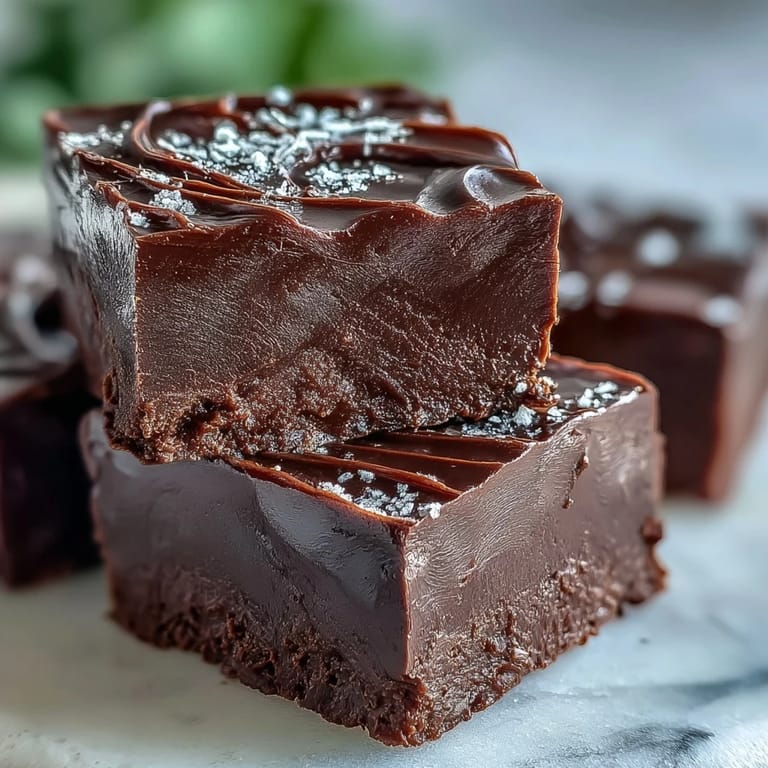
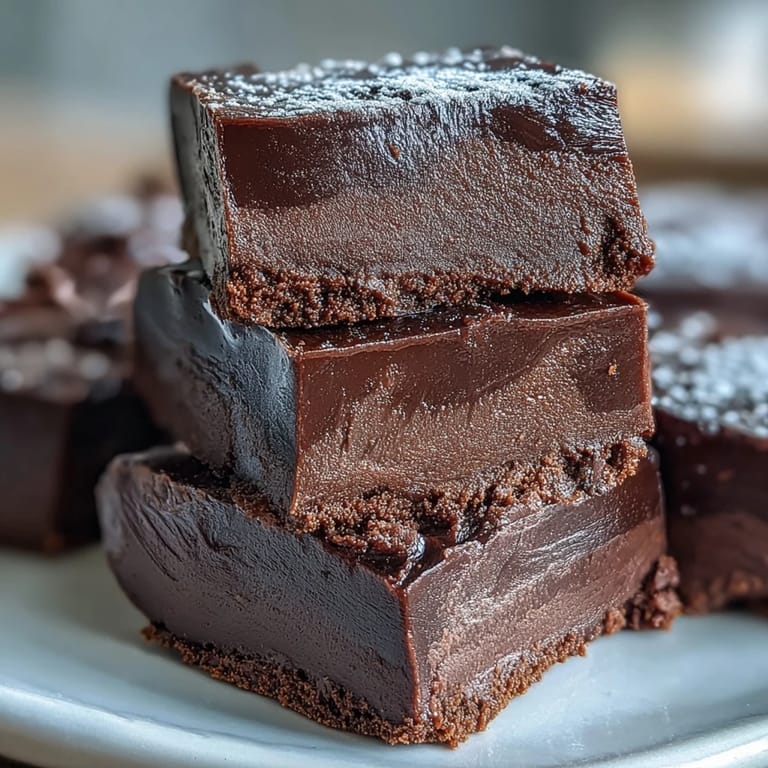
- Once set solid, lift the entire block out using the parchment paper overhang and place on a cutting board. Use a sharp knife dipped in hot water and wiped clean between cuts—this technique gives you clean edges instead of crumbly ones.
 Save to Pinterest
 There's a particular magic in watching someone taste something they've never encountered before and seeing their whole face shift when they realize they love it. That's what hojicha fudge does—it surprises people in the best way, the kind of surprise that makes them ask for the recipe and actually make it at home.
The Tea-Chocolate Balance
Getting this balance right took me three batches before I stopped second-guessing myself. Too much hojicha and the fudge tastes like eating a tea bag with chocolate overtones; too little and you're just making regular fudge with a whisper of something you can't quite place. Two tablespoons feels shy at first, but it's genuinely the moment when the hojicha announces itself without drowning out the chocolate.
Storage and Shelf Life
These fudges live happily in an airtight container in the refrigerator for up to a week, though mine never last that long. If your kitchen is warm, they can soften at the edges, so keep them cold and only pull out what you're eating in the next hour or so.
Making It Your Own
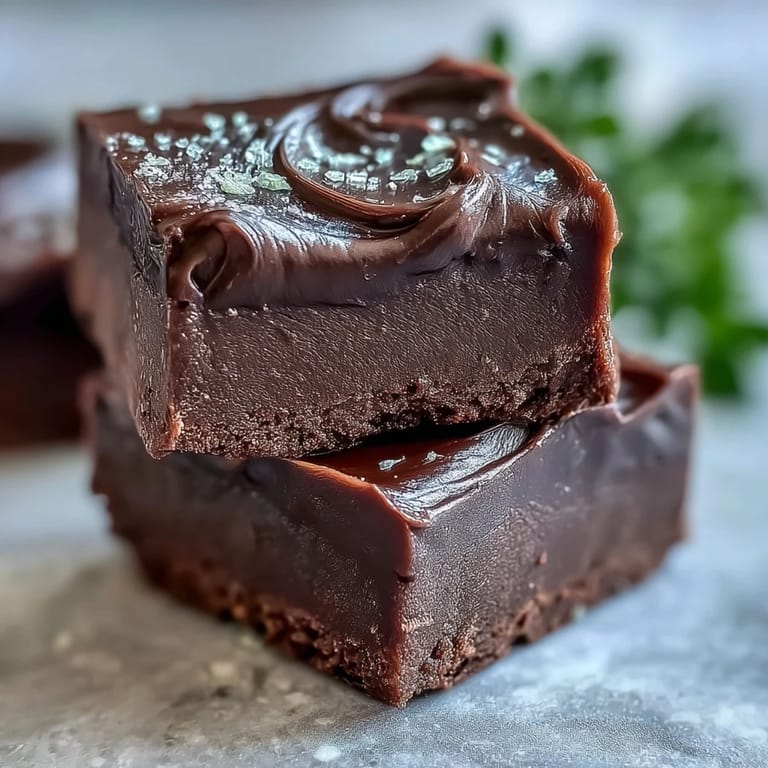
Once you've mastered the basic version, the possibilities open up like a door. Some friends have folded in toasted walnuts or almonds for a delicate crunch, while another experimented with a light dusting of fleur de sel on top, which looked beautiful and tasted even better. The base recipe is sturdy enough to carry your own creative fingerprints without falling apart.
- Toast your nuts yourself if adding them—pre-toasted nuts taste fine, but nuts you toast at home bring a warmth and aroma that feels intentional.
- Cut your fudge slightly smaller if you're gifting them; people are more likely to eat one if it feels like a reasonable portion.
- Keep your knife in a cup of hot water nearby so you can warm it between cuts and achieve those clean, sharp edges that make homemade fudge look professional.
 Save to Pinterest
 These fudges have become my go-to gift for people who think they know what they want from dessert but are ready to be surprised. Every time someone tastes one and asks what makes it so different, I hand them the recipe with a smile, knowing they're about to have their own kitchen discovery moment.
Recipe FAQs
- → What does hojicha taste like?
Hojicha has a distinctive roasted, nutty flavor with mild earthy notes. Unlike matcha's grassy bitterness, hojicha offers a warm, toasty profile that complements chocolate beautifully while adding subtle depth.
- → Can I substitute hojicha powder?
Hojicha powder cannot be substituted with matcha as the flavor profiles differ significantly. For the best results, purchase authentic hojicha from Japanese grocers or specialty tea shops. Some online retailers also carry it.
- → How should I store this?
Keep the fudge refrigerated in an airtight container for up to one week. The cool temperature maintains the firm texture. Bring to room temperature for 10 minutes before serving for the creamiest experience.
- → Can I add nuts?
Absolutely. Fold in 50g of toasted chopped walnuts or almonds just before pouring into the pan. The crunch adds lovely contrast to the smooth, dense fudge. Toast nuts lightly beforehand for enhanced flavor.
- → Why use condensed milk?
Sweetened condensed milk creates that signature dense, creamy fudge texture while providing sweetness. It helps the fudge set properly without graininess and contributes to the luxurious mouthfeel.
- → What chocolate percentage works best?
Dark chocolate at 60-70% cacao provides the ideal balance. Higher percentages may make the fudge too bitter, while lower percentages won't provide enough structure. The milk chocolate adds creaminess and balances the intensity.