 Save to Pinterest
 I discovered Limoncello Pound Cake by accident, really—my neighbor brought one over after a dinner party, still warm from her oven, and the smell alone made me forget what I'd been doing. The brightness of the lemon hit first, then something smoother and almost floral beneath it, and I realized she'd used Limoncello. That first slice, with its tender crumb and that tangy glaze pooling into every gap, changed how I thought about pound cake entirely. It felt sophisticated without being fussy, the kind of dessert that tastes like someone actually cares but doesn't want to make a big deal about it.
I made this cake for my sister's book club last spring, and watching eight people go quiet when they tasted it was honestly one of those small kitchen victories I still think about. Someone asked for the recipe immediately, then another person, and by the end of the night I'd written it out on three different napkins. That's when I knew this wasn't just a good cake—it was the kind of dessert people actually want to recreate at home.
Ingredients
- Unsalted butter (1 cup, softened): Room temperature is non-negotiable here—cold butter won't cream properly and you'll end up with a dense cake instead of that lovely tender crumb.
- Granulated sugar (2 cups): This is what gives the cake structure and helps the butter trap air, so don't skip the creaming step—it actually matters.
- Eggs (4 large, room temperature): Cold eggs won't incorporate smoothly into the batter, which means you lose volume and end up with a heavier cake than intended.
- Limoncello liqueur (1/4 cup): This is the secret ingredient that makes people wonder what you did differently—it adds depth that fresh lemon juice alone can't achieve.
- Whole milk (1/4 cup, room temperature): The acid in buttermilk would react with the baking powder differently, so stick with whole milk for the texture this recipe promises.
- Freshly grated lemon zest (2 tablespoons): Use a microplane rather than a box grater—you'll get finer zest with no bitter white pith, which makes an actual difference in how the cake tastes.
- Fresh lemon juice (1/4 cup): Always squeeze it fresh; bottled juice tastes noticeably different and flatter in a cake this delicate.
- All-purpose flour (2 1/2 cups): Whisk it before measuring to aerate it slightly, which helps prevent a heavy cake that sinks in the middle.
- Baking powder (1 1/2 teaspoons): Make sure it's fresh—old baking powder won't rise the cake properly, so check that expiration date.
- Salt (1/2 teaspoon): This enhances the lemon flavor in a way that's subtle but absolutely necessary.
- Powdered sugar (1 cup, sifted): Sifting removes lumps and makes the glaze smooth and glossy instead of grainy.
- Extra lemon zest for topping: This is optional but worth doing—it signals to everyone that this is a cake made with intention.
Tired of Takeout? 🥡
Get 10 meals you can make faster than delivery arrives. Seriously.
One email. No spam. Unsubscribe anytime.
Instructions
- Prepare your pan and preheat:
- Get your oven to 350°F and grease that pan thoroughly—I use a light coating of cooking spray followed by a dusting of flour, which prevents sticking better than either method alone. If you're using a Bundt pan, pay special attention to all those ridges.
- Cream the butter and sugar:
- This step takes 3 to 4 minutes and you'll know it's ready when the mixture looks pale, fluffy, and almost mousse-like. If you rush this, the cake won't have the tender texture you're after.
- Add eggs one at a time:
- Beat each egg in fully before adding the next one—this incorporation is what traps air and gives you that light crumb. If the mixture looks slightly curdled, don't panic; it smooths out once you add the dry ingredients.
- Mix in the zest, Limoncello, juice, and milk:
- Stir until just combined—you don't want to overmix at this point. The batter will look slightly curdled, which is completely normal and actually a sign you're doing it right.
- Combine your dry ingredients:
- Whisk the flour, baking powder, and salt together in a separate bowl so the baking powder distributes evenly. This prevents dense pockets and ensures the cake rises uniformly.
- Bring the batter together:
- Fold the dry ingredients into the wet ingredients gently, mixing just until you can't see any flour streaks—overmixing develops gluten and makes the cake tough. Use a spatula and fold rather than beat.
- Pour and smooth:
- Transfer the batter to your prepared pan and smooth the top with a spatula. If you're using a Bundt pan, tap it gently on the counter a few times to release any air bubbles.
- Bake until golden:
- Bake for 50 to 55 minutes—your oven might vary, so start checking at 48 minutes by inserting a toothpick into the center. It should come out clean or with just a few moist crumbs, never with wet batter.
- Cool with patience:
- Let the cake sit in the pan for 15 minutes before turning it out onto a wire rack. This helps it set enough to unmold without falling apart, but turning it out while still slightly warm ensures it won't stick.
- Make the glaze:
- Whisk the powdered sugar with lemon juice and Limoncello until smooth and pourable—it should coat the back of a spoon but still drip slightly. Taste it before pouring; adjust the lemon juice if you want it brighter or more subtle.
- Finish with elegance:
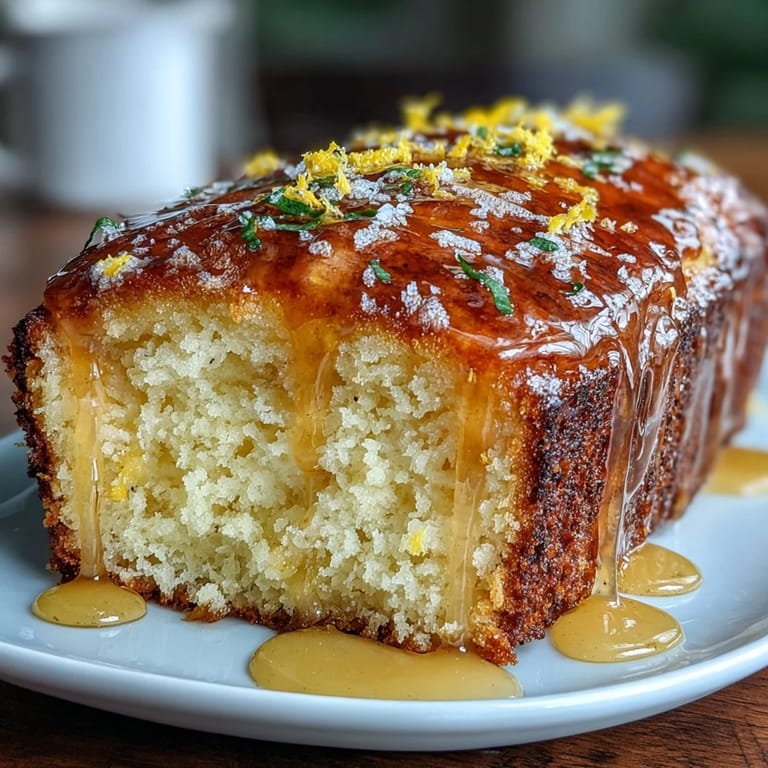
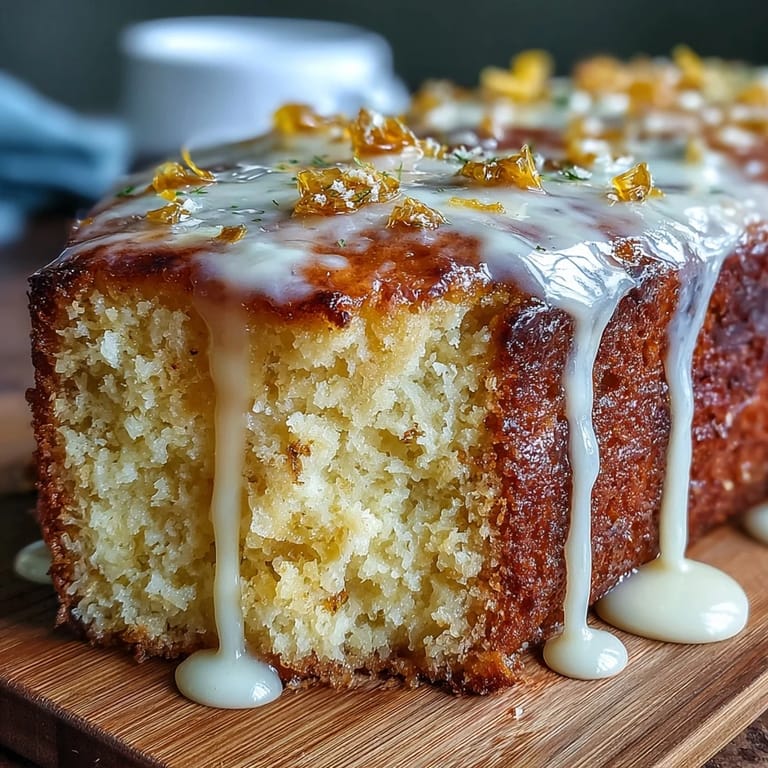
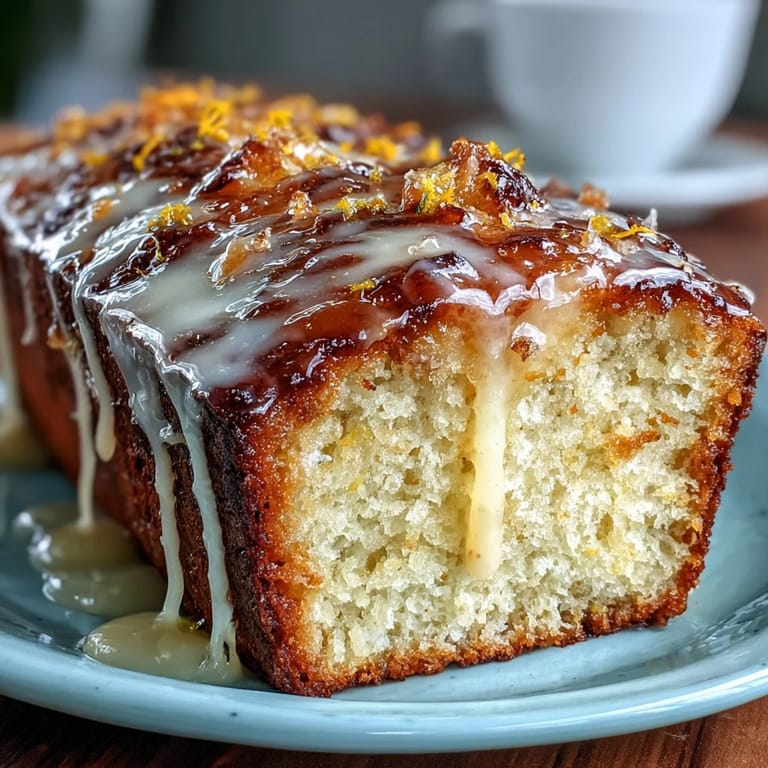
- Drizzle the glaze over the completely cooled cake and top with extra lemon zest if you have it. Let the glaze set for at least 30 minutes before slicing, which helps it firm up slightly and look intentional.
 Save to Pinterest
 There's a moment, maybe 20 minutes into baking, when your kitchen fills with this unmistakable aroma—lemon, butter, and something bright that you can almost taste in the air. That's when I know the cake is going to turn out right. It's become a small ritual, opening the oven door just enough to peek, watching the top slowly turn golden, and feeling that tiny surge of anticipation that comes before something turns out exactly as hoped.
Why This Cake Becomes a Tradition
Pound cake sits at this interesting intersection—it's humble enough to make on a Tuesday afternoon but impressive enough to bring to dinner somewhere nice. This version, with the Limoncello, pushes it slightly toward elegance without losing that comfort-food quality that makes you want to slice it thick and eat it while it's still slightly warm. Once you make it once, people will ask you to make it again, and you'll find yourself baking it in late spring and early summer when lemons feel like the right dessert.
Storage and Make-Ahead Wisdom
This cake keeps beautifully wrapped in plastic wrap or stored in an airtight container for up to four days, and the flavors actually deepen as it sits. You can bake it the day before you need it, wrap it unglazed, and add the glaze fresh in the morning—it takes two minutes and makes the kitchen smell incredible right before serving. Freezing the unglazed cake works too; it thaws at room temperature in about an hour and tastes like you just made it.
Variations Worth Trying
Once you nail this recipe, you'll start imagining variations—substituting the Limoncello with vodka and more lemon juice for a less complex flavor, or adding a teaspoon of vanilla extract for warmth. Some bakers swear by replacing half the all-purpose flour with cake flour for an even more tender crumb, and honestly, it does make a difference. You could even experiment with lime zest and juice if you want to shift the flavor profile entirely while keeping the same structure that makes this cake so reliable.
- Cake flour swap: Replace half the all-purpose flour with cake flour for a noticeably lighter, more delicate texture.
- Dairy-free option: Use plant-based milk in equal measure, though the cake will be slightly less rich.
- Alcohol-free version: Substitute the Limoncello with an additional 1/4 cup lemon juice, though you'll lose some of that sophisticated depth.
 Save to Pinterest
 This cake has become my answer to so many occasions—the dessert I reach for when I want something that tastes special but doesn't require me to pull an all-nighter in the kitchen. After making it a dozen times now, I realize it's as much about the ritual of baking it as it is about eating it.
Recipe FAQs
- → What makes this pound cake moist and tender?
The combination of unsalted butter, eggs, and milk creates a rich batter that results in a moist, tender crumb after baking.
- → How does Limoncello affect the flavor?
Limoncello adds a subtle sweet lemon liqueur note, deepening the citrus flavor and adding an aromatic complexity to the cake.
- → Can I substitute Limoncello with something else?
Yes, replacing Limoncello with extra lemon juice will keep the bright citrus flavor but reduce the alcohol and some depth of taste.
- → How is the lemon glaze prepared?
The glaze is made by whisking powdered sugar with fresh lemon juice and a splash of Limoncello until smooth and pourable, then drizzled over the cooled cake.
- → What pan types work best for baking this cake?
A 9x5-inch loaf pan or bundt pan are recommended to ensure even baking and proper shaping of the cake.
- → Can I make the cake lighter in texture?
Substituting half of the all-purpose flour with cake flour results in a lighter, softer crumb.