 Save to Pinterest
 There's something quietly satisfying about watching a pile of raw vegetables transform into silky sauce. I discovered this recipe one Tuesday when I had a surplus of sad-looking carrots and zucchini threatening to wilt in my crisper drawer. Instead of tossing them, I chopped everything up, threw it into a pot with tomatoes, and ended up with something so velvety and pure that I've been making it ever since—it became my secret weapon for sneaking vegetables into pasta night without anyone noticing.
I made this for my pasta-loving aunt last spring when she was going through a phase of avoiding dairy, and watching her take that first taste—eyes widening because she expected it to taste thin or virtuous—that moment changed how I thought about what sauce could be. Now whenever someone says they're cutting back on cream-based dishes, I smile and invite them over for pasta.
Ingredients
- Carrot: One medium carrot adds natural sweetness and body; peel it first so the skin doesn't fleck the finished sauce.
- Zucchini: Mild and water-rich, it dissolves beautifully when blended and adds almost invisible nutrition.
- Bell pepper: Red or orange ones are sweeter than green; the color also makes the sauce look richer and more inviting.
- Onion: The small one gets fully incorporated, becoming the foundation of your sauce's savory depth.
- Garlic: Two cloves are enough to whisper flavor rather than shout it; added after the softer vegetables so it doesn't burn.
- Celery stalk: Often overlooked, it adds complexity and keeps the sauce from tasting one-dimensional.
- Crushed tomatoes: Two cans give you that rich tomato body; don't skip the canned ones for fresh here, the cooking time needs quality canned.
- Tomato paste: Two tablespoons intensify the tomato flavor and add umami depth that makes people wonder what your secret is.
- Olive oil: One tablespoon is plenty since you're not deep-frying; it helps vegetables release their flavor.
- Oregano and basil: Dried herbs work perfectly here and actually bloom beautifully when simmered into the sauce.
- Salt and pepper: Start conservative; you can always add more after blending.
- Sugar: Optional but worth keeping nearby—just a half teaspoon balances acidity if your tomatoes are particularly sharp.
- Red pepper flakes: A pinch only, unless you like your sauce with a little kick.
Tired of Takeout? 🥡
Get 10 meals you can make faster than delivery arrives. Seriously.
One email. No spam. Unsubscribe anytime.
Instructions
- Warm the oil and start with the hardest vegetables:
- Heat olive oil in a large saucepan over medium heat, then add onion, carrot, celery, zucchini, and bell pepper. Sauté for 8–10 minutes, stirring now and then, until they soften but haven't started browning—you want them yielding, not caramelized.
- Bring in the aromatics:
- Add minced garlic and let it sizzle for just one minute until fragrant; any longer and it turns bitter. You'll smell the shift immediately.
- Build your tomato foundation:
- Stir in tomato paste and cook for one minute to deepen its flavor, then add both cans of crushed tomatoes along with oregano, basil, salt, pepper, and sugar if you're using it. The pot will smell like a proper Italian kitchen now.
- Let it simmer gently:
- Bring everything to a gentle simmer, then cover and cook for 20–25 minutes, stirring occasionally. The vegetables will become very tender and almost start to fall apart—that's exactly what you want.
- Blend it to silk:
- Remove from heat and use an immersion blender to purée the sauce until it's completely smooth with no chunks left. If you don't have an immersion blender, carefully transfer it in batches to a regular blender and work slowly so nothing splashes.
- Finish with a final simmer:
- Return the blended sauce to low heat and simmer uncovered for 5–10 minutes, stirring occasionally. Taste it now and adjust salt and pepper until it feels right on your tongue.
- Plate and celebrate:
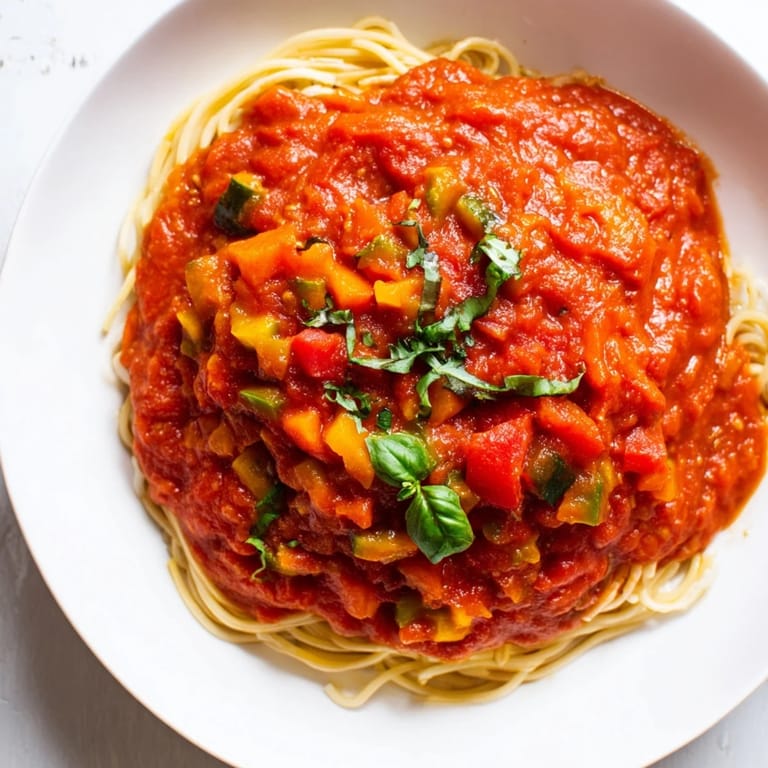
- Serve hot over your favorite pasta, scattered with fresh basil if you have it.
 Save to Pinterest
 My daughter once asked if vegetables were hiding in this sauce, and I said yes, but they're so happy here that they don't mind. That's when I realized this sauce had become more than just a way to use up produce—it was teaching her that vegetables could be delicious by stealth, not by force.
Making It Your Own
This sauce is a canvas, not a rigid formula. I've added everything from a handful of spinach to broccoli florets with the initial vegetables, and each time it disappears into the sauce seamlessly. Once, I stirred in cooked white beans after blending, and it transformed into something hearty enough to eat almost like a soup—serve it with grilled bread and call it dinner.
Storing and Freezing
The sauce freezes beautifully for up to three months, which means you can make a double batch on a Sunday and have weeknight solutions ready in your freezer. I've taken containers of this to friends recovering from illness, and the look of relief on their faces—knowing they had a real, nourishing meal waiting—says everything.
Pairing and Serving Ideas
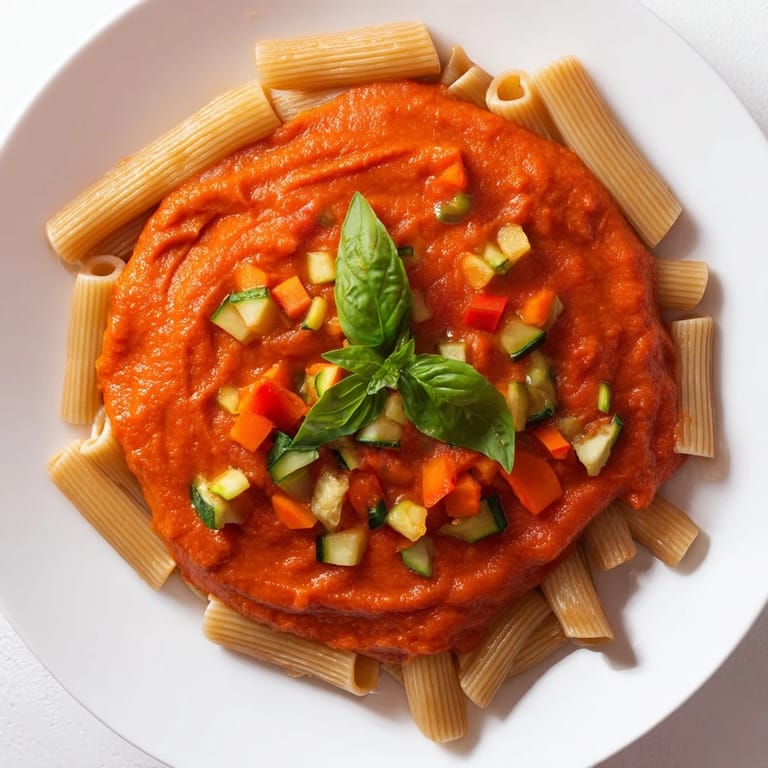
This sauce works with almost any pasta shape, though I love it most with something that catches sauce in its crevices—penne, rigatoni, or shells hold it best. You can also spoon it over polenta, use it as a base for shakshuka, or pour it over roasted vegetables for a completely different meal.
- Whole-wheat or gluten-free pasta adds fiber and works beautifully if anyone at your table needs it.
- Finish with grated Parmesan or nutritional yeast if dairy isn't a concern, or just let the sauce speak for itself.
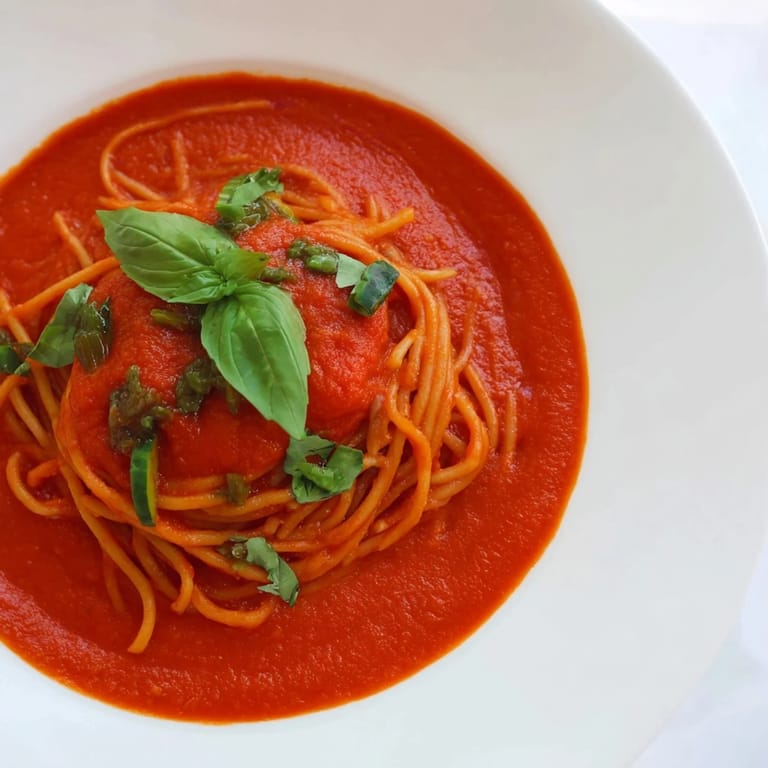
- A drizzle of good olive oil and fresh basil scattered on top elevates it from simple to special.
 Save to Pinterest
 This sauce taught me that simplicity and nourishment don't compete—they're the same thing. Make it when you need comfort, make it when you have vegetables hanging around, make it because you deserve something warm and honest on your plate.
Recipe FAQs
- → What vegetables are used in the sauce?
The sauce includes carrot, zucchini, bell pepper, onion, garlic, and celery for a nutritious vegetable blend.
- → How is the sauce made smooth?
After simmering, the sauce is puréed using an immersion blender or countertop blender until completely smooth.
- → Can the sauce be stored or frozen?
Yes, this sauce freezes well for up to three months, making it convenient for meal prep.
- → What herbs are used for seasoning?
Dried oregano and basil provide aromatic, classic Italian flavors to the sauce.
- → How long does it take to cook the sauce?
After sautéing vegetables, the sauce simmers covered for 20 to 25 minutes until tender, then simmers uncovered after blending.